


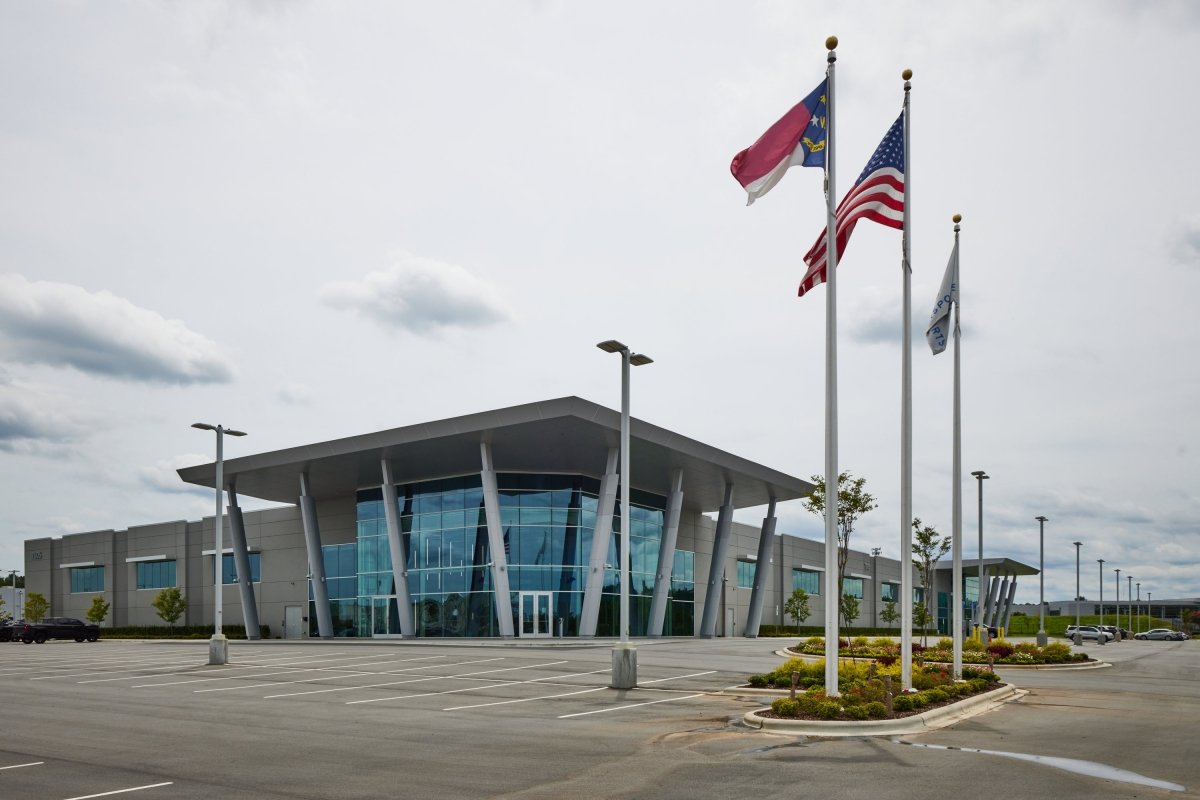
General Motors’ Strategic Pursuit in Motorsports: The Charlotte Technical Centre
General Motors (GM) has made a significant investment in its motorsports operations with the establishment of the Motorsports Technical Centre in Charlotte, North Carolina. This facility is designed to consolidate engineering talent and resources across GM’s diverse racing programs, which include NASCAR, Corvette racing in IMSA, the FIA World Endurance Championship (WEC), and the upcoming entry into Formula 1 with Cadillac in 2026.
Enhancing Performance Through Collaboration
The facility embodies GM’s strategy to enhance competitive performance by fostering collaboration, sharing technical expertise, and optimizing resource deployment amidst a cost-conscious industry. As Keith Rodden, GM’s technical lead for NASCAR, states, “It’s all about transparency…putting our resources into every Chevrolet team.” This approach aims to ensure equitable support across all affiliated teams, promoting a unified competitive front.
NASCAR’s New Superspeedway Package
In the NASCAR Cup Series, the recent Coke Zero 400 showcased the debut of a modified superspeedway package, incorporating a reduced spoiler height from seven to four inches and a decrease in horsepower from 510 to 465. These changes aimed to improve aerodynamic efficiency amid NASCAR’s ongoing efforts to enhance racing competitiveness. Rodden explained the challenges of implementing these adjustments without prior testing, relying solely on computational fluid dynamics: “We had to rely on CFD… it’s tough to prepare.”
Despite Chevrolet’s technological endeavors, the race was ultimately won by Ryan Preece of RFK Racing, demonstrating the unpredictable nature of motorsports and the effectiveness of Ford’s strategies under the new regulations.
Focus on Development and Innovation
The initiative at the Charlotte Technical Centre also reflects GM’s commitment to innovation. With the shifting landscape of NASCAR regulations focusing on common components, teams now allocate significant efforts toward engineering talent and simulation tools. Rodden emphasized this by saying, “Making a difference is all about ingenuity… when everyone has the same thing, if you have 1005 counts of downforce and others have 1000, you’re going to be better.”
The development of these common parts has necessitated an evolution in strategy for teams, pushing for minute performance adjustments that can yield substantial competitive advantages.
Future Directions
As the motorsport landscape evolves, GM’s consolidation of its operations under one roof positions the company to leverage shared insights and capabilities as it navigates future technical challenges in NASCAR, IMSA, WEC, and IndyCar.
With preparations underway for the evolving regulatory frameworks set for 2027, including the introduction of new IndyCar and Hypercar regulations, GM’s integration strategy is timely. Continuous investment in technology and collaboration ensures GM remains at the forefront of motorsports innovation.
For further insights into GM Motorsports and its future developments, stay tuned for the next report.
