


FIA Explores Cost Reductions for Torque Sensor Technology in GT World Cup
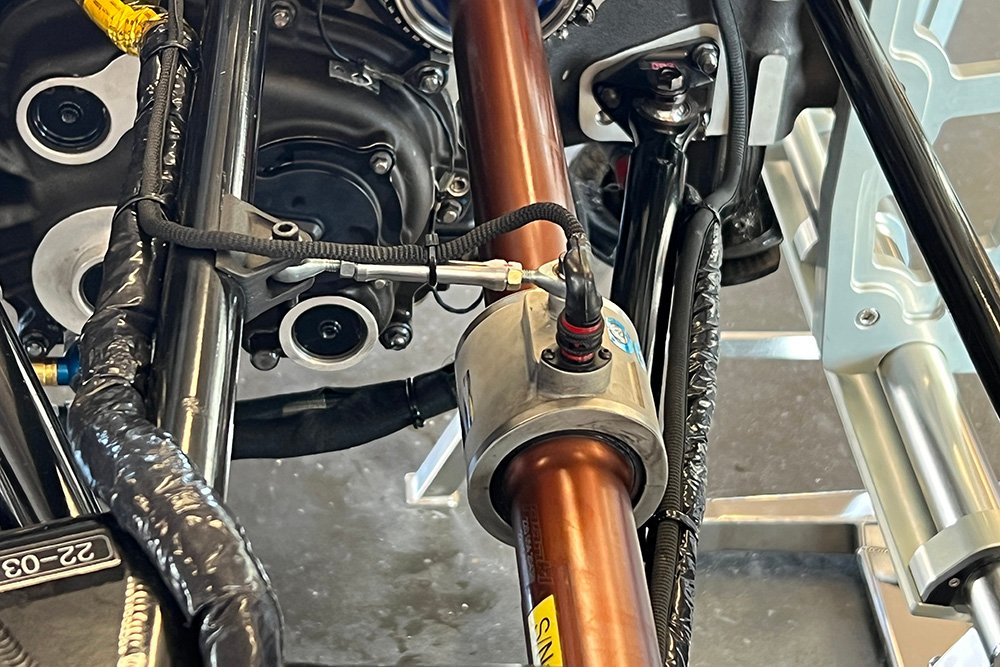
As competitors voice concerns over rising costs associated with torque sensor technology in the FIA GT World Cup in Macau, the FIA is evaluating potential solutions to mitigate these financial burdens. This technology, which is also implemented in the World Endurance Championship (WEC), European Le Mans Series (ELMS), and several IMSA categories, sees exclusive supply from U.S.-based MagCanica, with each unit costing teams a significant five-figure sum per axle.
The financial strain has prompted criticism from various teams. Craft Bamboo, competing with two Mercedes AMG GT3 Evos, reported that their operational costs have doubled since they last participated in the GT World Cup in 2024, attributing this increase directly to the torque sensor implementation and its calibration costs.
FIA GT Commission President Lutz Leif Linden addressed the concerns, confirming that discussions with MagCanica are underway to explore potential cost reductions and the feasibility of introducing a second supplier to foster competitive pricing. Importantly, Linden clarified that torque sensor technology would not be mandated under current or forthcoming FIA GT3 regulations set for 2028.
Defending the necessity of the technology, Linden stated, “To police this in the right way and to make it more fair for everybody, you need the technology to give us the right data. And now we have it.” The introduction of live monitoring at the Macau event has led to multiple penalties for “over-powered” cars, emphasizing the technology’s role in enhancing competition integrity.
While the torque sensor scheme has faced opposition—most notably leading to Mercedes-AMG’s withdrawal last year—the majority of manufacturers reportedly support its implementation. Linden noted, “There were a little bit of politics behind it, but finally most of them voted for it.” He expressed optimism that the event grid will expand, although a cap of 23 cars will remain in place due to paddock limitations.
In summary, as the FIA navigates the complex landscape of costs and technology in motorsports, the adoption of torque sensors represents a pivotal shift aimed at improving fairness and performance monitoring within the GT World Cup.
