








Porsche’s Roller Coaster LMDh Journey in the WEC
Porsche’s involvement in the World Endurance Championship (WEC) came to a premature close after three seasons, as the manufacturer withdrew from the Hypercar class. Despite a challenging debut with the Porsche 963 LMDh, the program, marred by external market pressures and internal complexities, showed considerable evolution and some notable successes.
A Challenging Return
Porsche’s comeback to top-tier endurance racing was announced in late 2020, aligning with the introduction of LMDh regulations. With the previous 919 Hybrid program ending in 2017, the team faced the monumental task of re-establishing its championship-caliber operation from the ground up. Partnering with Roger Penske’s highly regarded team, Porsche aimed to introduce a new hybrid prototype that would also serve customer teams.
The development process was fraught with difficulties, particularly regarding the integration of external suppliers for critical components. “We were kind of like the guinea pig,” admitted Urs Kuratle, Porsche’s LMDh project leader. “We realized pretty soon that it was not going to be easy,” he reflected on the complexities stemming from diverse engineering philosophies among various partners.
Early Results and the Le Mans Disappointment
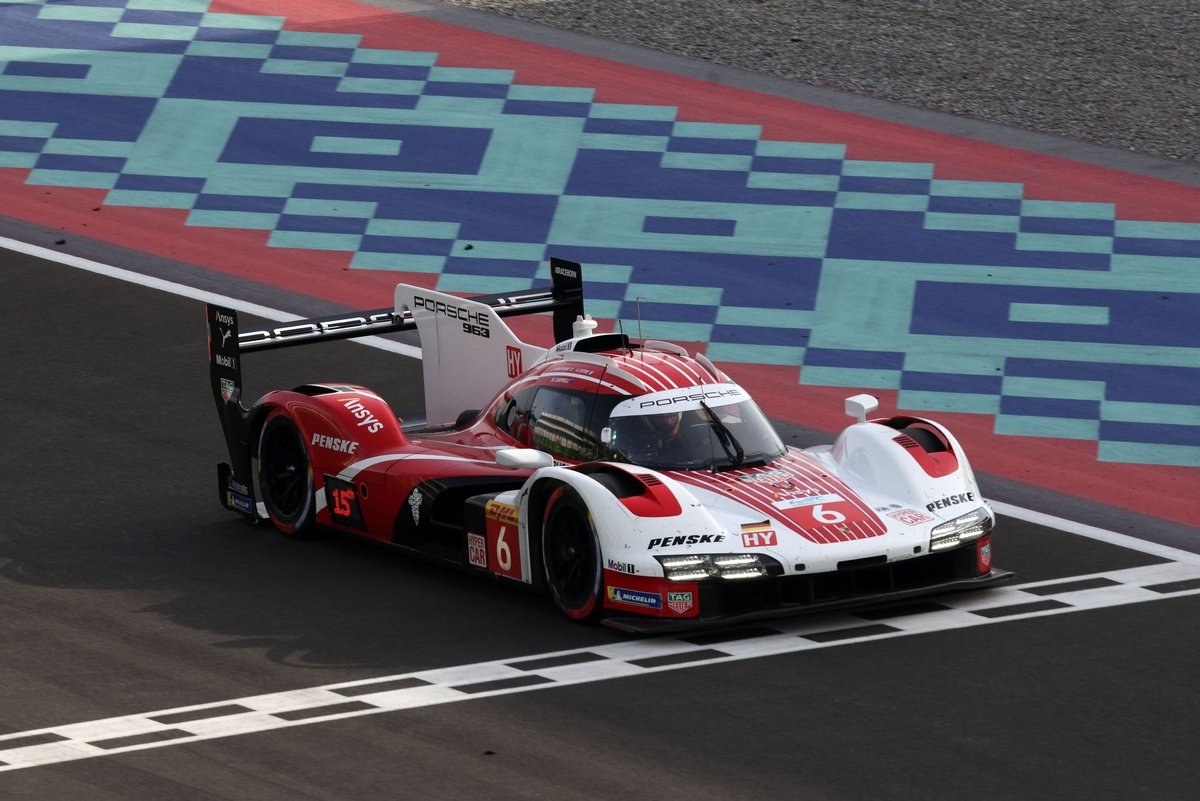
The Porsche 963 made its competitive debut at the Daytona 24 Hours in 2023, with high expectations set against the backdrop of its predecessor’s legacy. A podium finish followed shortly, but the true benchmark became clear during the Le Mans 24 Hours, traditionally a stronghold for Porsche. The results were disappointing, with its best finishing car placing ninth in class. Kuratle described the event as a “brutal reality” that prompted a thorough reassessment of the program.
Mid-Season Breakthroughs
Porsche rebounded in the latter part of the 2023 season, with notable performances at the Fuji 6 Hours leading to increasing competitiveness. The team achieved a significant victory during the 2024 Daytona 24 Hours—a landmark win marking the manufacturer’s first in the event since 2003. Subsequent success in Qatar solidified momentum heading into the championship circuit.
“We won titles and had a lot of success,” Kuratle stated, acknowledging the comprehensive nature of the program’s recovery. However, the WEC’s Balance of Performance (BoP) regulations became a nagging issue in subsequent competitions, leading to frustratingly lower finishes.
The Final Season and Looking Ahead
As they prepared for the 2025 season, Porsche updated the 963’s front suspension but struggled in the WEC’s early races, falling behind competitors. Despite a resurgence with points-filled performances, the overarching narrative remained: Porsche left the WEC without securing a victory at Le Mans, a stark reminder of their storied legacy yet to be fulfilled.
Ultimately, the conclusion of Porsche’s WEC adventure drew mixed reactions. “We could win championships, races and everything,” Kuratle noted with a tone of pride, recognizing the achievements across two major series while reflecting on the unfinished business in the WEC.
In summary, Porsche’s journey in LMDh was characterized by initial struggle, significant mid-season rehabilitations, and an eventual recognition of the complexities inherent in modern endurance racing. As they pivot strategically, the future remains open, with hints of a potential return to the WEC based on evolving circumstances and team performance.


