







IndyCar’s 2028 Engine Strategy: Exploring New Paths for Manufacturers
In a strategic move towards enhancing the IndyCar Series engine landscape by 2028, officials are actively evaluating various approaches to introduce new engine suppliers. Following an extensive year tracking developments in the series’ new chassis and engine formula, shots of insight into these considerations are starting to emerge.
Currently, there are two traditional pathways for car manufacturers when entering the IndyCar engine market. The first is developing engines internally, as demonstrated by Honda Racing Corporation (HRC), which designs and produces engines exclusively for partner teams while providing essential trackside support. Alternatively, manufacturers can choose to outsource engine production, akin to Chevrolet’s partnership with Ilmor Engineering.
IndyCar leadership acknowledges the existing paths and is seeking to introduce a third option, proposing that manufacturers collaborate with current suppliers to develop engines under shared branding. Mark Sibla, Senior Vice President of Competition and Operations for IndyCar, stated, “You can build it internally… you can go to one of the companies-for-hire… or, we’ve talked to both groups about working with a new OEM that wants to join the series.”
This fresh approach could enable a manufacturer seeking a swift entry into IndyCar to leverage existing expertise from partners like HRC or Ilmor. For instance, a hypothetical Dodge or Nissan could utilize the engine designs of Honda or Chevrolet while featuring distinct branding.
Both Chevrolet and Honda have expressed a continuous desire for a third manufacturer in the series to alleviate the burden of supplying engines for the growing fleet of full-time competitors. Despite their efforts over the past 14 years, no new engine supplier has entered the fray.
Discussions are underway to determine if this collaborative model could streamline entry processes for emerging brands, with Sibla promising support from IndyCar in facilitating manufacturer connections. “We’ll make introductions wherever necessary,” he affirmed.
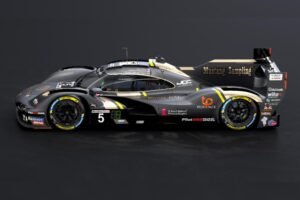
On an adjacent note, the potential integration of IMSA’s GTP engine specifications into IndyCar has surfaced. Despite inquiries regarding larger engine diversity, Sibla highlighted practical limitations in engine dimensions that could hinder compatibility with current IndyCar chassis. Most GTP engines are larger and would necessitate significant alterations to existing vehicle configurations.
“Most IMSA GTP engines wouldn’t fit,” Sibla explained, emphasizing constraints related to length and weight that impact performance in IndyCar chassis. However, the series remains open to exploring alternative engine designs that could fit within the designated space, provided they meet specific criteria.
As discussions culminate towards a revised 2028 engine formula, stakeholders will evaluate options that could reshape the competitive landscape of IndyCar racing and potentially welcome new manufacturers into the fold. The series’ ongoing commitment to innovation and collaboration may prove essential in achieving these ambitious goals.


