


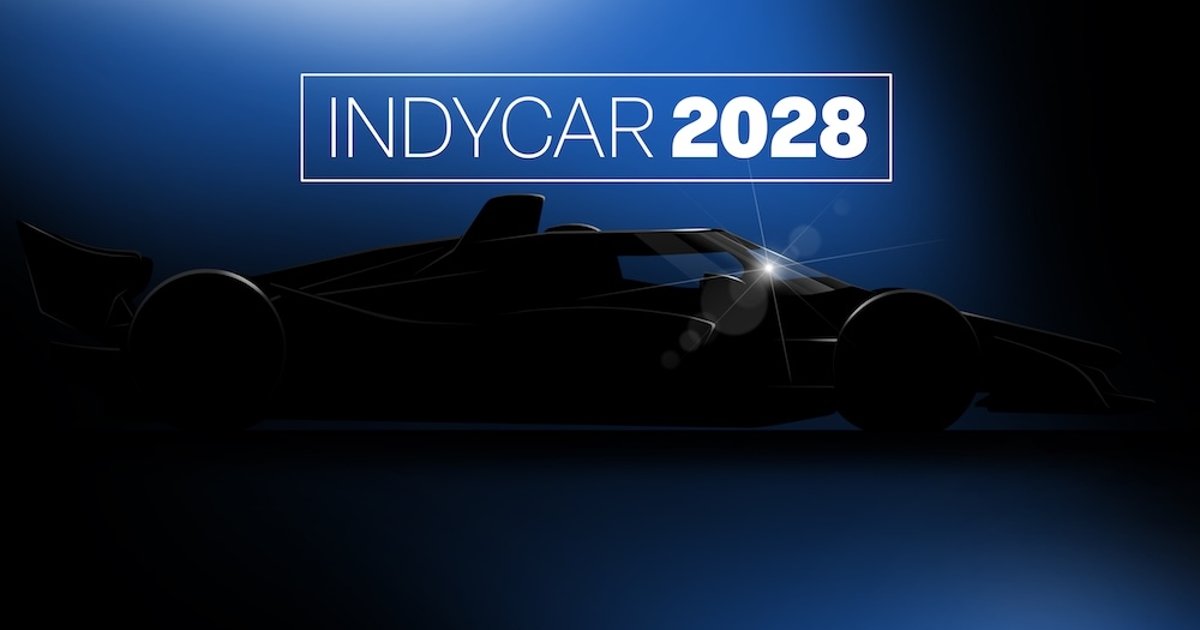
IndyCar Set for Powertrain Evolution with 2028 Chassis
As the IndyCar Series approaches a significant transition with a new chassis set for rollout in 2028, discussions have intensified around its powertrain specifications. A new 2.4-liter twin-turbo V6, enhanced by a robust hybrid system, is in development and expected to nearly double the power output of current engines.
IndyCar’s Senior Vice President of Competition and Operations, Mark Sibla, emphasized the importance of collaborative dialogue with existing engine suppliers Honda and Chevrolet. “It’s constant dialogue,” Sibla noted. “We’ve focused on finding common ground with both manufacturers to achieve a shared vision for the future.”
The strategic initiative involves not just immediate concerns but also long-term commitments from these suppliers, particularly as their contracts expire after the 2026 season. At this moment, neither manufacturer has confirmed plans to continue in the series, presenting a potential risk to IndyCar’s stability.
In addition to Chevy and Honda, the series has engaged with other automotive brands that have expressed positive feedback regarding the new powertrain direction. This broad engagement suggests an openness to diverse partnerships beyond the current suppliers.
Sibla articulated two primary objectives in these discussions: gathering insights on marketing and promotional needs from suppliers, and securing commitments for future participation. “We’ve been very proud of some of the commercial success we’ve had, and we’re also thinking about the future,” he said.
The conversations extend beyond mere logistics. Sibla explained that they delve into the manufacturers’ strategic goals in motorsports, which include cost management, competition parity, and hybrid technology. “It’s about asking questions and having conversations,” he asserted. This proactive approach aims to inform the selection of the next generation of engines.
The overarching feedback from both current and prospective manufacturers underlines the import of sustainability, particularly in fuel considerations, a fact that has recently garnered renewed interest in potential partnerships.
In closing, the transition to a 2.4-liter twin-turbo V6 promises not just enhanced performance but also a significant step forward for motorsports’ environmental responsibilities. As IndyCar prepares for this new era, the outcome hinges on successful collaborations and strategic planning with all relevant stakeholders in the automotive industry.
