








Triple Crown Results at Indianapolis: Technical Insights and Key Takeaways
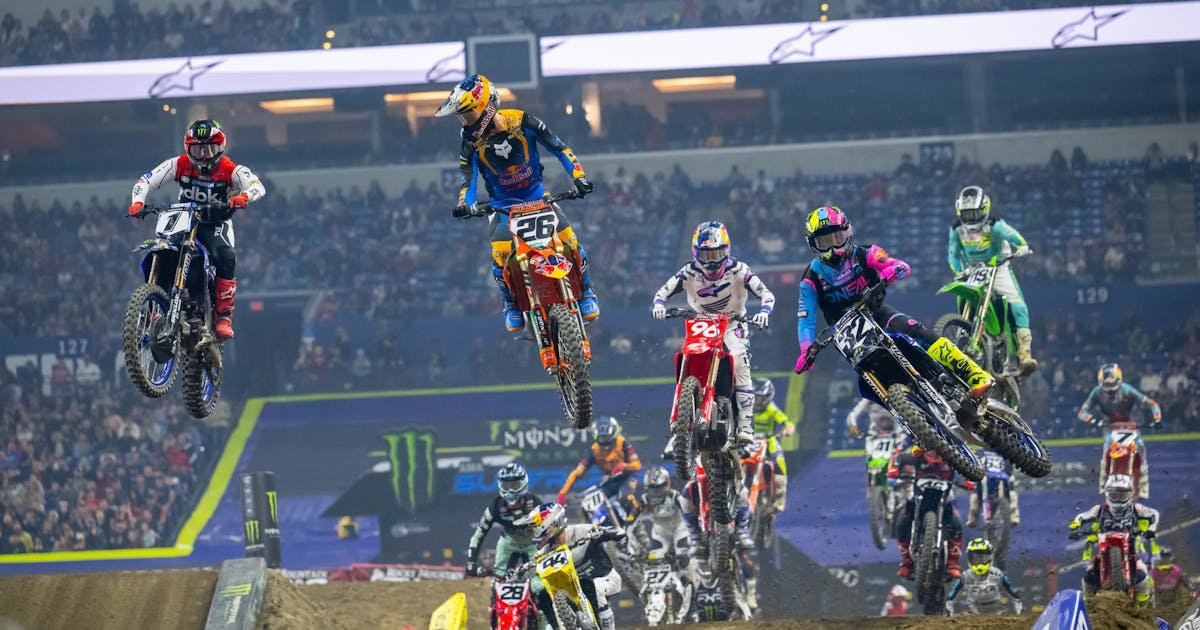
Indianapolis hosted the second Triple Crown event of the year this past weekend, featuring three main events per class. The unique format spurred numerous discussions and highlighted several technical aspects of the races.
Tuff Blocks: A Step Forward?
The introduction of new angled Tuff Blocks continues to show promising results. According to former professional rider and NBC analyst Jason Thomas, the redesigned Tuff Blocks are significantly reducing incidents of being dragged onto the track. “They definitely seem to be less of a storyline in 2026,” Thomas observed. “Riders have escaped catastrophe when making incidental contact.” This evolution in design marks a strategic shift aimed at enhancing rider safety.
Challenging Whoops Section
The whoops at Indianapolis proved to be a critical separator among racers. As the night progressed, even the most skilled riders resorted to jumping through the whoops due to their deteriorating condition. Thomas explained that the soft soil composition of the track, particularly when used in early spring, contributes to this difficulty. “The whoops develop ruts and are inconsistent in height and trajectory,” he elaborated. “This is nothing new and riders know to expect it.” Consistency is crucial in a sport where maintaining control is paramount, and the whoops at Indy presented significant challenges.
The race results and the lessons learned from the event will be invaluable as teams and riders prepare for upcoming competitions in this evolving motorsports landscape.


