









NASCAR Chairman Jim France Testifies in Landmark Antitrust Case
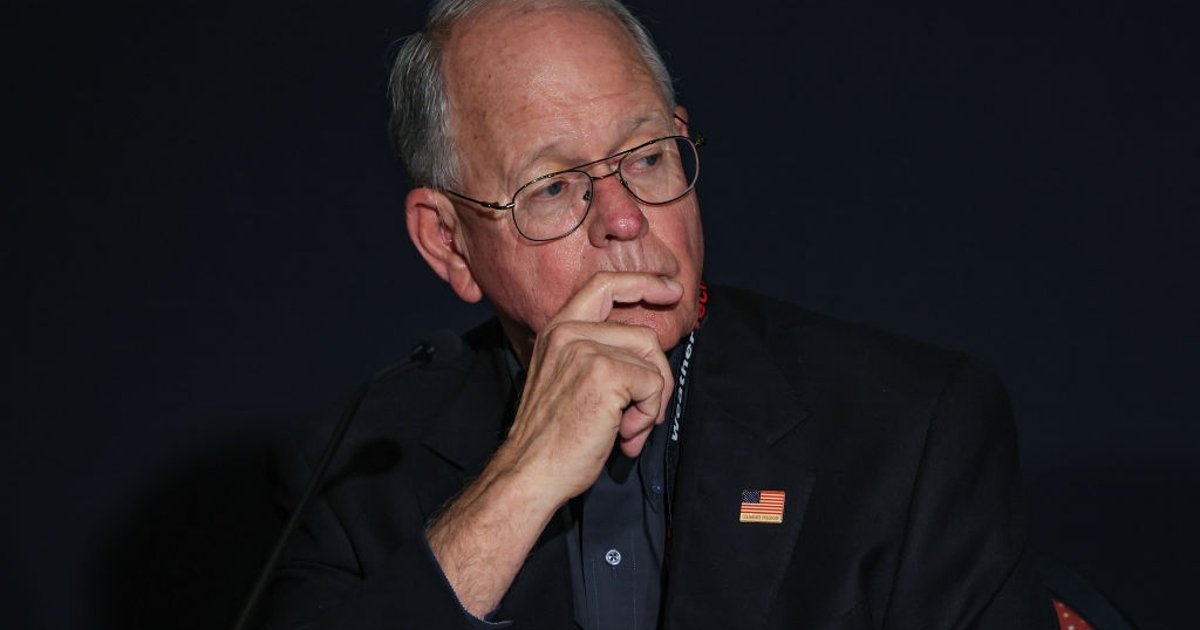
In a pivotal federal courtroom session on Tuesday, NASCAR Chairman and CEO Jim France gave testimony in the ongoing antitrust lawsuit brought against him and NASCAR by teams 23XI Racing and Front Row Motorsports. France, called as the final witness for the plaintiffs, faced intense questioning for nearly 2.5 hours from lead counsel Jeffrey Kessler.
Key among the admissions made by France was his rejection of the idea of permanent charters, a topic crucial during negotiations for the 2025 charter agreement. “I did say no,” France confirmed, though Kessler did not probe the rationale behind the decision. Heather Gibbs and Richard Childress, both of whom testified earlier, highlighted the need for permanent charters for financial stability in a challenging economic landscape.
NASCAR’s desire for flexibility in its charter agreements was emphasized by President Steve O’Donnell, who noted uncertainty regarding future costs and the sport’s evolving nature as impediments to granting permanent charters.
Kessler pressed France about his authority and decision-making role within NASCAR, posing questions like, “You bear the ultimate responsibilities for the company?” France, however, asserted that NASCAR operates through a board of directors, stating that he could not recall any instances where the board had overridden his decisions.
Despite owning 54% of NASCAR through a family trust, France indicated that he did not recall key internal communications, including those surrounding the contentious charter negotiations. At one point, he challenged testimony from Gibbs regarding his comments about charter quantities, insisting he would not have made a statement about arbitrary charter numbers.
The testimony also revealed communications from major team owners, including Roger Penske and Rick Hendrick, raising concerns about the sport’s financial model and profitability for race teams.
Childress lamented the necessity of signing the charter agreement to retain his team’s charters, citing insufficient financial resources to compete without them. He advocated for permanent charters, arguing that they would not cost NASCAR anything.
Meanwhile, Phelps defended NASCAR’s approach, disputing claims that the negotiations had been a “take-it-or-leave-it” ultimatum. He detailed the timeline of draft revisions and communications leading up to the charter agreement deadline of September 6, 2024, clarifying that extensions were granted to accommodate team needs.
Phelps also reflected on the teams’ financial demands, stating that granting $720 million annually was unsustainable and would lead to bankruptcy for NASCAR.
The courtroom proceedings will continue as France returns for cross-examination from NASCAR’s legal team, who will then present their case.


