









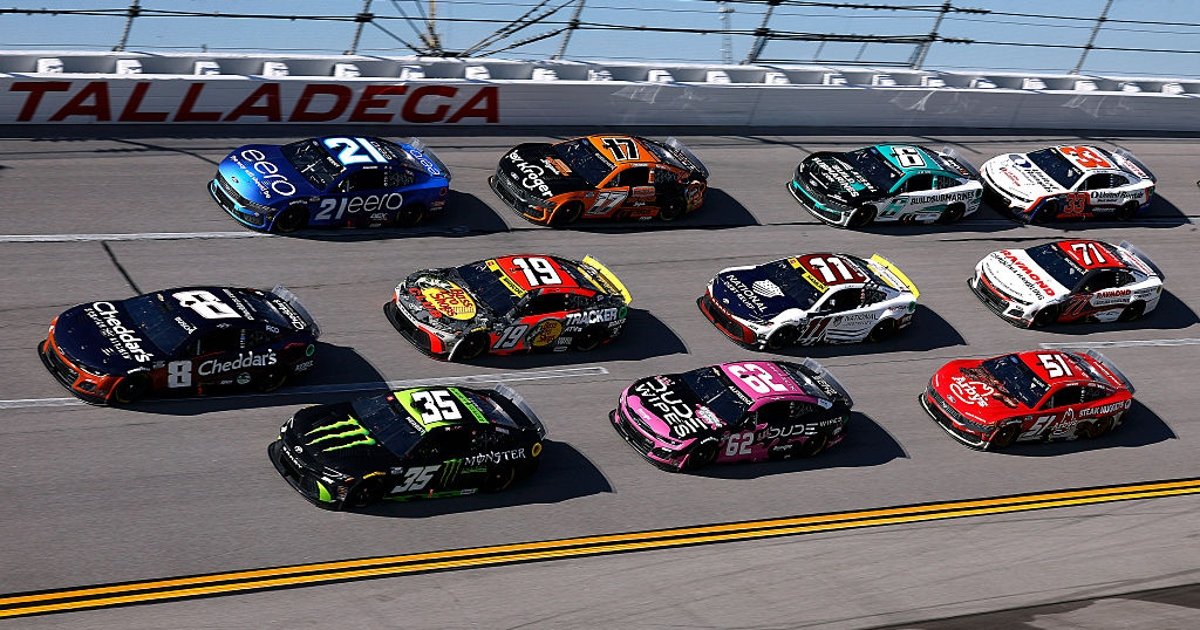
NASCAR Defends Next Gen Car in Antitrust Lawsuit
NASCAR commenced its defense in an ongoing antitrust lawsuit filed by two race teams, with Executive Vice President John Probst delivering key testimony regarding the development of the Next Gen race car. Probst, who joined NASCAR in 2016 after stints with Chip Ganassi Racing and Ford, articulated the intention behind the Next Gen initiative, emphasizing cost reduction, competitive parity, and attracting new manufacturers.
Probst utilized a “whack-a-mole” analogy to describe the financial challenges faced by race teams, noting that efforts to save money in one area often led to unexpected expenses elsewhere. This insight underscores NASCAR’s rationale for creating the Next Gen car, which started as a concept in 2017.
Key Testimony Highlights:
- Development Costs: NASCAR invested nearly $14 million in developing the Next Gen car, including more than $1 million on underwing development and $4-4.5 million on safety testing. Notably, teams incurred no costs for these developments.
- Intellectual Property (IP): Probst confirmed NASCAR applied for patents related to the car, which gives both NASCAR and manufacturers IP rights. He asserted the common business practice of protecting investments in innovation, contrasting it with the teams’ inability to patent their designs due to competitive secrecy.
- Chassis and Supply: While teams are not mandated to purchase seven Next Gen chassis, that remains the maximum allowed. Probst clarified that NASCAR does not profit from supplying single parts, emphasizing cost transparency.
Denny Hamlin’s testimony brought additional dimensions, discussing internet service costs at racetracks, highlighting the option for teams to use their own connections.
Probst acknowledged the Next Gen car has indeed reduced overall costs and attracted new teams such as Trackhouse Racing and 23XI Racing, citing increased competition as a contributing factor to varying expenses among teams.
Anticipated Developments:
Probst expressed optimism about the potential of adding a new manufacturer to the Cup Series by 2027, while explaining the complexities around rising costs, suggesting competition and spending choices as primary drivers rather than the Next Gen itself.
During cross-examination, attorney Jeffrey Kessler pointed out that the Next Gen’s IP protections limit its use in other racing series, a contrast to its predecessor. Probst defended the need for such protections to prevent the emergence of copycat series.
Overall, the courtroom proceedings reveal a significant moment in NASCAR’s efforts to balance competitive integrity with team sustainability as it navigates ongoing litigation.


