








NASCAR Next Gen Car: Five Seasons of Adaptation and Impact
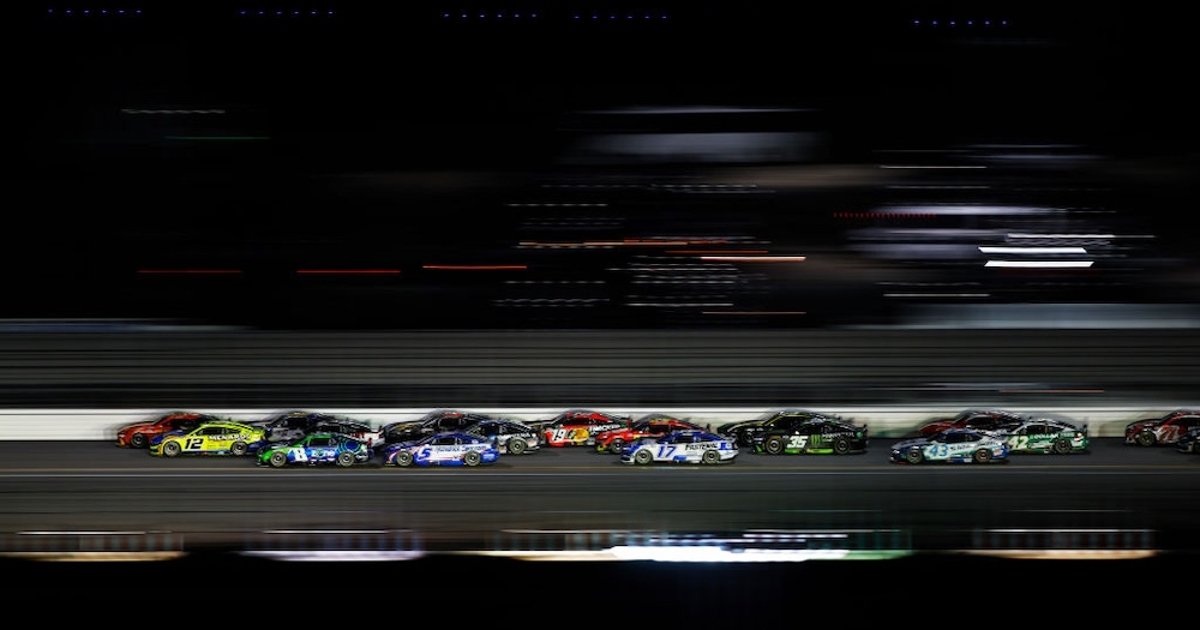
NASCAR’s introduction of the Next Gen car in 2022 marked a transformative era for the sport, significantly altering on-track dynamics and driver performance.
Technical Innovations and Challenges
The Next Gen car deviates markedly from its predecessors, featuring a symmetrical design intended to enhance mechanical grip and eliminate drivers’ reliance on rear tire manipulation, a previously prized skill. Key specifications include:
- New high ground clearance and wider dimensions.
- A flat underbody and rear diffuser.
- Transition to an independent rear suspension and a sequential five-speed shifter.
- Shift from five lug nuts to a single center-locking nut, accompanied by a larger 18-inch wheel.
These advancements necessitated an adjustment period for teams and drivers, reshaping their racing strategies.
Driver Perspectives on Adaptation
RACER surveyed 22 Cup Series drivers regarding the impacts of the Next Gen car. Drivers coalesced around a few recurring themes regarding who has benefited and who has struggled in adapting to the car’s demands.
-
Kyle Busch pointed out that while many factors influence performance, drivers like Ryan Blaney and William Byron have excelled, attributing their success to effective team dynamics and engineering. Conversely, he noted his struggles, particularly under conditions with limited practice. Busch’s lone victory within the Next Gen era came at the 2022 Bristol dirt race.
-
Michael McDowell highlighted his adaptation as a significant personal gain, suggesting that Martin Truex Jr.’s early challenges exemplified the learning curve.
-
Austin Dillon expressed uncertainty about pinpointing specific drivers who thrived or struggled, attributing outcomes more to manufacturer performance than individual driver capability.
-
Chase Elliott underscored his own difficulties with the new car, despite past successes. He indicated that success metrics like Byron’s performance might not adequately reflect his actual adaptation journey.
-
Ross Chastain, representing the newer blood in NASCAR, recognized the Next Gen car as an opportunity that allowed him to reset his career trajectory, highlighting its role in his recent successes.
Veteran vs. Young Driver Dynamics
The responses largely suggested a divide between veteran drivers and their younger counterparts:
- Multiple drivers, including Brad Keselowski and Chris Buescher, noted that the evolution from traditional racing to a more aggressive driving style has favored younger drivers who can adjust quickly.
- Veteran drivers like Denny Hamlin acknowledged their learning pain points, with Chastain indicating that the Next Gen car compensated for earlier career disadvantages.
Conclusion
As NASCAR navigates its Next Gen era, driver adaptability continues to be a pivotal factor in performance. The balance between new technology and traditional racing skills creates an evolving narrative in motorsports, as seasoned veterans grapple with significant changes while emerging talent finds opportunities to excel. The insights gleaned from drivers underscore the complexity and dynamism that the Next Gen car has introduced to NASCAR competition.


