


Porsche Penske Motorsport Prepares for 2026 Season After Dominance in 2025
Performance Overview and Key Achievements
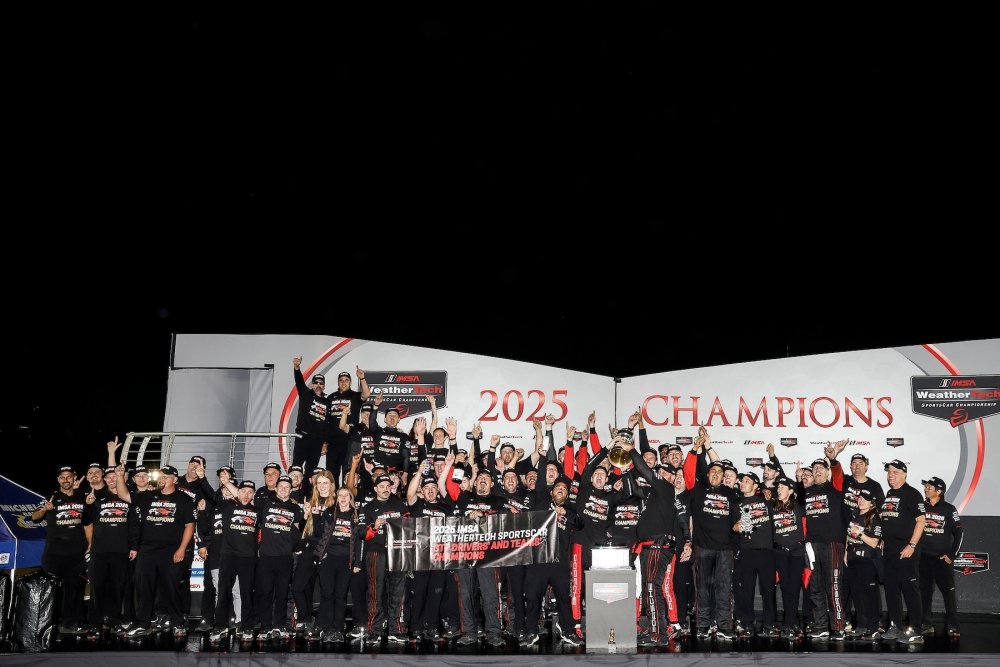
In a remarkable 2025 season, Porsche Penske Motorsport secured victories at both the Daytona 24 Hours and Sebring 12 Hours, achieving a clean sweep of the IMSA GTP titles. The team’s performance, characterized by strategic pit work and an adaptable vehicle, set a new standard in the GTP category. “Both cars won races and maintained consistency late in the season,” stated Team Penske President Jonathan Diuguid. His comments highlight the team’s mental resilience, particularly evident during challenging races like Watkins Glen, where strategic execution earned them a crucial fourth-place finish.
Regulatory Framework and Technical Enhancements
While Balance of Performance (BoP) played a role early in the season, underlying factors such as refined pit strategies and the continued evolution of the Porsche 963 proved critical. For the upcoming season, Porsche will implement a new Performance Joker update for their 963, which includes enhancements to the splitter and diffuser aimed at optimizing speed across various IMSA tracks. “These prototypes are sensitive to ride height, which varies across tracks,” Diuguid noted regarding the car’s adaptability to new modifications.
Driver Changes and Line-Up Dynamics
Porsche’s driver roster has shifted following the cancellation of its World Endurance Championship (WEC) program. Notably, reigning GTP champion Mathieu Jaminet has transitioned to Genesis, while Nick Tandy has moved to GTD PRO. The #6 car will now be piloted by Kevin Estre and Laurens Vanthoor, with Matt Campbell participating in endurance events. Felipe Nasr, Julien Andlauer, and Laurin Heinrich will steer the #7 car, representing a strategic pivot in the driver line-up.
Despite speculation regarding the inclusion of IndyCar drivers Scott McLaughlin and Josef Newgarden at Daytona, Diuguid clarified that their engagement was primarily for feedback rather than competitive purposes. “Having stability with the drivers we have seemed like the right decision,” he explained, emphasizing the importance of experience and familiarity in a race environment.
Challenges Ahead and Organizational Changes
With the WEC operations scaled back, Porsche Penske Motorsport faces challenges due to a reduced workforce. “Losing input from 50 people will have an impact,” Diuguid acknowledged, underscoring the collaborative nature that defined the team’s previous successes. The consolidation of operations to the Mooresville base does allow for a focused effort, yet concerns about diminishing resources remain prevalent.
Conclusion
As the new IMSA season approaches, Porsche Penske Motorsport must adapt to the evolving competitive landscape while striving to maintain its championship credentials. With the introduction of technical updates and a restructured driver line-up, the team’s immediate focus will be on leveraging its existing advantages to fend off rising competition. The upcoming races will reveal whether these strategic shifts and enhancements will position Porsche as a continued leader in the GTP category.
