


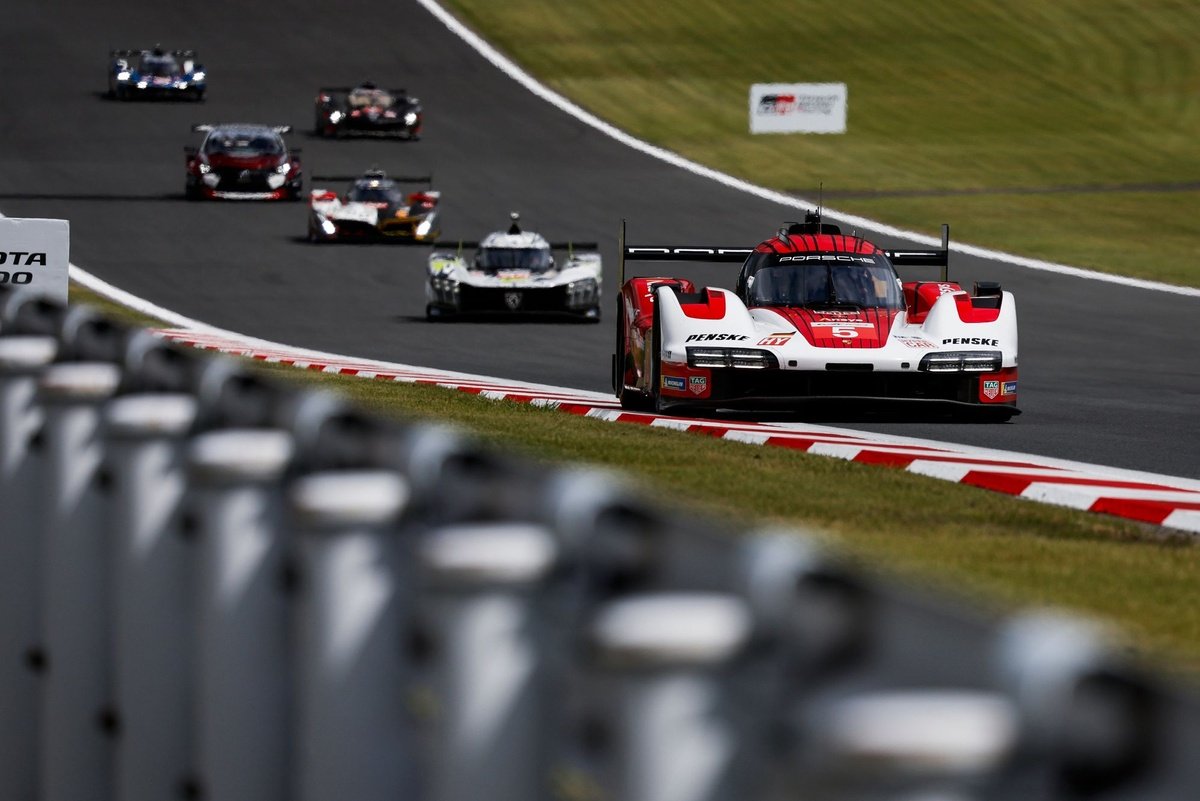
Porsche Withdraws from WEC: Implications and Underlying Issues
Porsche’s recent decision to exit the World Endurance Championship (WEC) has sparked significant discourse within the motorsport community, revealing broader challenges in the endurance racing landscape.
Overview of the Exit
The German manufacturer announced its departure effective immediately, citing strategic realignment as the primary reason. The withdrawal comes after a challenging season where Porsche struggled to compete consistently against rivals in the hypercar category.
Race Performance Data
During its tenure in WEC, Porsche recorded several podium finishes but failed to secure a championship title. Technical adjustments and development pace were constant talking points, with performance lagging behind competitors like Toyota and Ferrari.
Technical Insights
Sources close to the team indicate that difficulties in harnessing hybrid technology and optimizing weight distribution were instrumental in the overall underperformance. Despite significant investment in engineering and resources, the 963 prototype did not meet the competitive benchmarks set by its rivals.
Industry Reactions
The announcement has raised eyebrows, prompting industry analysts to question the viability of established brands in endurance racing. “Porsche’s exit highlights a critical need for innovation adaptation and strategic foresight in a rapidly evolving automotive landscape,” stated an industry expert familiar with the inner workings of WEC.
Conclusion
Porsche’s withdrawal from WEC serves as a microcosm of challenges facing the endurance racing series, particularly as manufacturers balance competitive performance with the push for sustainable technology. The implications extend beyond Porsche, potentially reshaping the market dynamics and entry strategies for future competitors in the championship.
As the future of WEC unfolds, stakeholders will be compelled to reassess their approaches to remain relevant in the fiercely competitive arena of endurance racing.
