


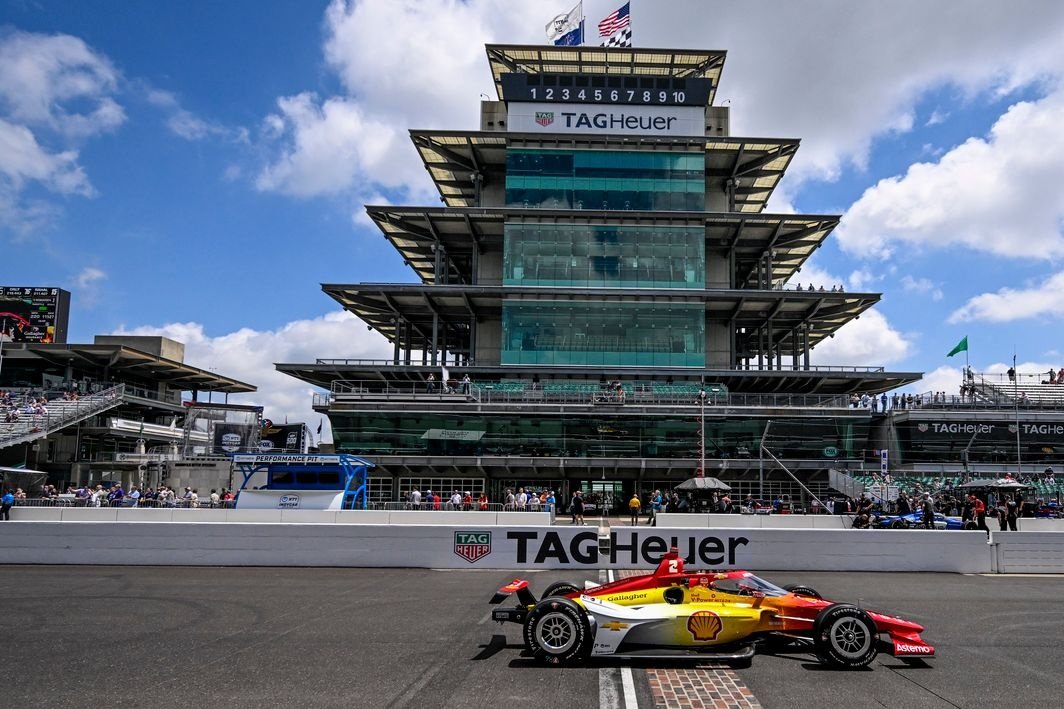
Hybrid Era Begins at the Indianapolis 500
As preparations ramp up for the 2025 Indianapolis 500, teams and drivers face a new challenge: the debut of IndyCar’s hybrid drivetrain on the 2.5-mile oval of the Indianapolis Motor Speedway. This crucial race will test not only speed but also the intricacies of hybrid technology.
IndyCar introduced the hybrid system in July 2024, and it has been utilized on various tracks since then, except for superspeedways. With qualifying set for May 25, teams are now synthesizing performance with the hybrid’s added weight, which has emerged as a significant variable in race strategy.
Weight Shift Impacts Performance
Josef Newgarden, two-time defending champion and driver for Team Penske, emphasized the challenge posed by the hybrid’s additional weight. “The big reason it’s driving differently is not necessarily the hybrid itself but the weight it adds to the car,” Newgarden remarked. He noted that the added mass—approximately 100 to 110 pounds—alters weight distribution and significantly impacts tire performance.
“They’re trying to figure out how to optimize weight distribution based on where teams are putting it," he explained. Newgarden further likened the effect to adding a substantial amount of weight to a stock car, underscoring the critical adjustments teams must make ahead of the prestigious race.
Hybrid Technology’s Unique Role at Indy
Despite previous experience with the hybrid on various track configurations, Newgarden believes the Indianapolis 500 will demand a unique application of the technology. “The hybrid’s impact will be more pronounced here than anywhere else because of the low drag configuration," he stated, referring to the power sensitivity crucial on the straights.
Strategies surrounding hybrid deployment will be pivotal; how drivers manage energy regeneration and usage throughout the race could tip the scales in a close finish.
Conclusion
With the Indianapolis 500 less than ten days away, the challenge of mastering the hybrid technology looms large. Teams are racing against the clock to unlock performance gains while balancing the implications of added weight and power management—a dynamic that could reshape the outcome of the Greatest Spectacle in Racing.
