








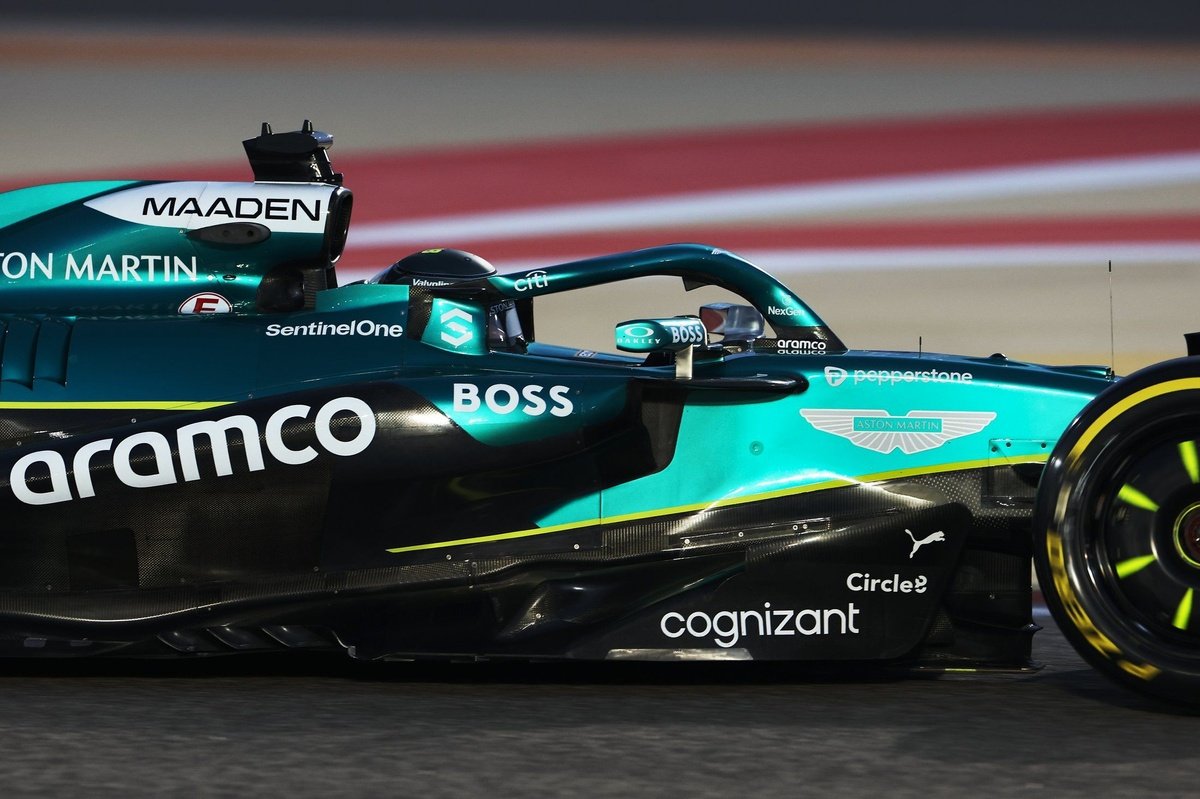
Aston Martin’s Strategic Transformation in Formula 1
Since its re-entry into Formula 1 four years ago, Aston Martin has set ambitious goals beyond simply achieving podium finishes. Spearheaded by Chief Marketing Officer Rob Bloom, the brand is focused on developing a culturally resonant team at the AMR Technology Campus, aligning with long-term visions articulated by Lawrence Stroll.
"This is one of the most exciting projects in world sport right now," Bloom stated, highlighting the team’s growth from 350 to 900 employees. With a clear aim to compete for championships, Aston Martin seeks to redefine its identity amid established rivals like Ferrari, Williams, and Red Bull.
Aston Martin’s strategy emphasizes inclusivity while maintaining its status as a luxury brand. Bloom describes the brand as "the most inclusive-exclusive brand in world sport," advocating for a diverse fan base that transcends traditional motorsport boundaries. His focus includes a strong presence on platforms like TikTok, promoting engagement directly with fans. “Sport should fundamentally be available to everyone. The biggest mistake is thinking sport exists over here while TikTok exists over there,” he explained.
To enhance storytelling, Aston Martin has engaged influencers and social media creators, allowing them to capture the team narratives in innovative ways. Activations echo this strategy, demonstrated during the Miami Grand Prix with a collaboration featuring DJ Dom Dolla, as well as sponsorship of cultural events like the Santan Cup football tournament in Monaco.
Furthermore, the team has embraced "drop culture" in merchandise, launching premium collaborations, including a partnership with the Rolling Stones. Bloom emphasized the importance of creating "special moments of joy" for fans that extend beyond traditional trackside experiences.
While acknowledging the crucial roles of drivers Lance Stroll and Fernando Alonso, Aston Martin is transforming its approach to include a diverse "driver squad" and spotlighting engineers and creatives, such as design icon Adrian Newey. “First and foremost, we’re here to compete and win on track, but we’re also building a relevant, modern, and meaningful brand,” Bloom asserted.
As Aston Martin continues to build its identity in the highly competitive F1 landscape, it positions itself as a leader in modern fandom, reflecting a commitment to innovation that could redefine the team experience in motorsport.


