








Red Bull Racing: A New Era Post-Mateschitz
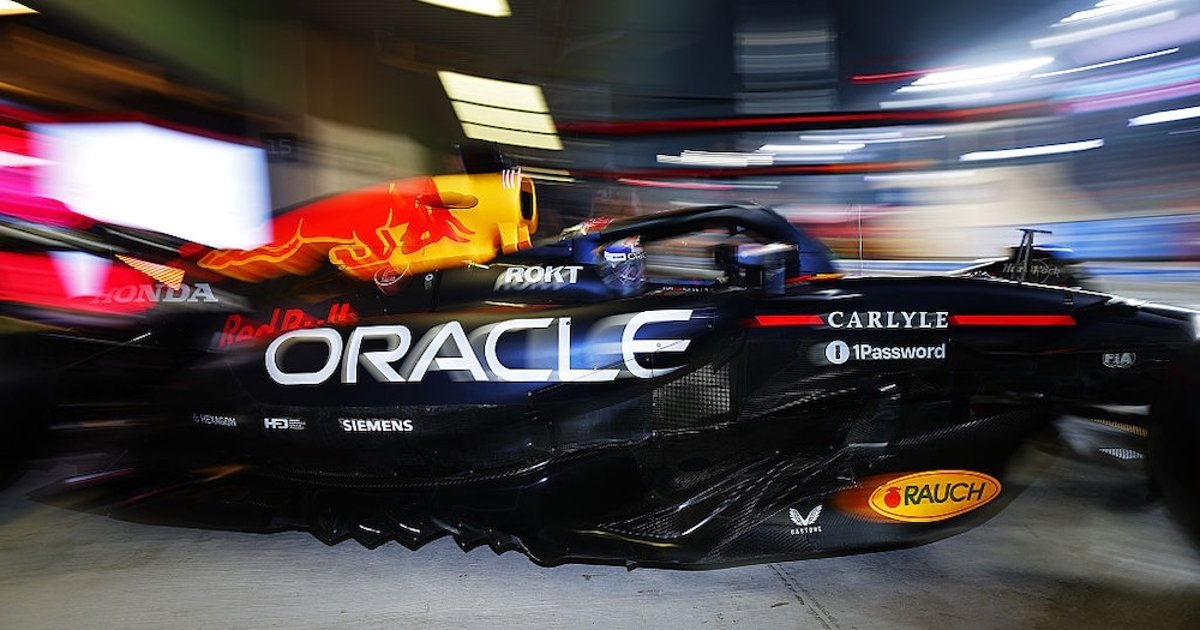
Red Bull Racing stands at the dawn of a significant transformation as it prepares for the 2026 Formula 1 season, effectively marking the beginning of what some are dubbing its second era. The team faces pressing questions about whether its storied legacy can adapt to the evolving demands of the sport or if the essence of its past success has been compromised.
The passing of co-founder Dietrich Mateschitz in October 2022 profoundly altered the team’s dynamics. Holding a 49% stake in Red Bull and guiding its operational vision, Mateschitz’s departure created a leadership vacuum that few anticipated would lead to a complete overhaul of the team by 2026, with key figures such as team principal Christian Horner, motorsport advisor Helmut Marko, technical chief Adrian Newey, and sporting director Jonathan Wheatley all parting ways.
Mateschitz’s influence in F1 was significant; he owned 20% of the grid through Red Bull and sister team AlphaTauri, and his strategic prowess shaped major shifts in the sport. However, following his death, Red Bull has begun transitioning to a more conventional corporate structure, now under the oversight of Oliver Mintzlaff, CEO of Corporate Projects and New Investments. Having already made his presence felt at several races this season, Mintzlaff’s intent to remove “distractions” from the team highlights a strategic pivot focused on centralization and control.
Mintzlaff remarked on this shift, stating, “It was an open secret that too many things were going on in and around the team.” His approach aims to channel energy towards competitive performance, noting that Max Verstappen’s nearly clinched drivers’ championship is indicative of this renewed focus.
Christian Horner’s departure in July has led to Laurent Mekies stepping in as CEO and team principal. While Mekies is a skilled engineer with a strategic mindset honed at Ferrari, he carries a fundamentally different approach from Horner, who wielded substantial political power. Mekies’ role is more functionary, and critics question whether he will be able to navigate the complexities of F1 politics as adeptly as Horner did.
The technical framework largely remains intact, led by Pierre Wache. However, the loss of Adrian Newey, a prominent figure rumored to have felt undervalued, leaves a gap that could impact the team’s innovative edge. Red Bull’s facilities are set to debut a state-of-the-art wind tunnel in 2026, replacing an outdated structure, while personnel changes continue to shape the new team’s dynamics.
In a clear indicator of the corporate shift, Helmut Marko’s departure marks a departure from the more autocratic leadership style that characterized Red Bull under Mateschitz. While his exit follows controversial remarks leading to social media backlash, it underscores the organizational shift towards accountability and contemporary corporate governance.
Racing Bulls, Red Bull’s secondary team, faces uncertainty as it continues to be seen as a stepping stone rather than a standalone entity. Despite facility improvements in Milton Keynes, speculation around selling the team remains, with F1 team valuations rising. Such a move could enhance the sport’s competitive integrity but would also require strategic adjustments.
As Red Bull approaches the 2026 season, nearly all aspects are set to be re-evaluated under a new management regime. Challenges remain as they must balance corporate oversight with the agility needed to succeed in F1. History suggests that an overly rigid corporate structure may not support competitive success, forcing Red Bull to reassess its operational philosophy if it hopes to maintain its relevance and winning traditions in the sport’s future.


