








Leclerc Voices Concerns Over 2026 Formula 1 Regulations
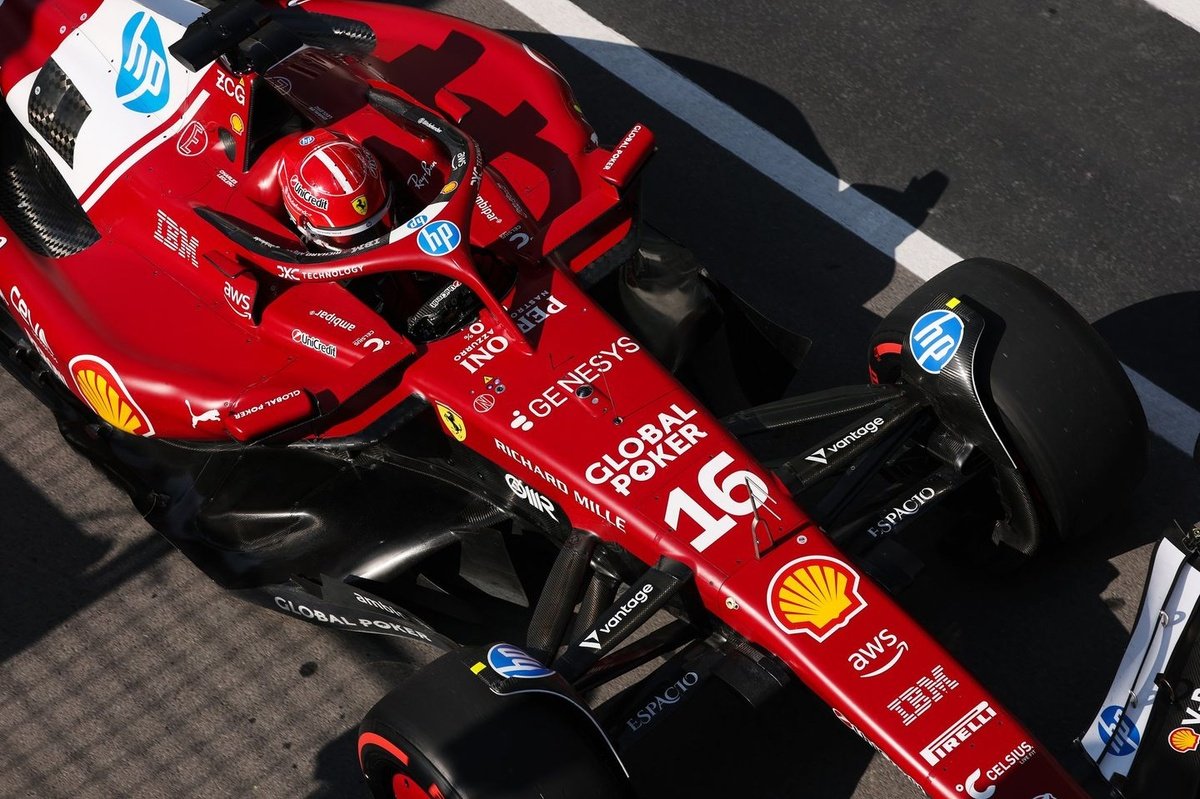
Formula 1’s preparations for the 2026 season are generating significant dialogue, particularly regarding changes to performance and driving dynamics. Charles Leclerc, Ferrari’s star driver, has expressed apprehension that the new regulations may lead to cars being "less enjoyable" to drive.
The 2026 cars will feature reduced downforce and increased drag, a transition aimed at improving overtaking opportunities while integrating a near 50/50 split between internal combustion and electric power. While this hybridization is expected to radically alter the power delivery, managing energy across circuits is likely to become a key challenge. Active aerodynamics are also set to be introduced to mitigate potential drawbacks of this new power unit configuration.
At the recent Austrian Grand Prix, Leclerc remarked, "It’s not the most enjoyable race car I’ve driven so far… I think the regulations for next year are going to be probably less enjoyable to drive." Despite these concerns, he noted the potential for the project to evolve positively over the coming months.
World Champion Max Verstappen echoed similar reservations, particularly regarding the active aerodynamics, yet maintained a more neutral stance, stating, “I’m very open-minded. When I sit in the car next year, we’ll figure it out.”
Development Updates and Team Insights
Williams team principal James Vowles defended the new regulations, assuring Leclerc that performance would improve as development progresses. Notably, neither Leclerc nor his peers have yet driven simulation models that reflect the final designs expected for testing in Barcelona in January.
Vowles emphasized Williams’s early pivot to the 2026 regulations, indicating their advanced state of readiness relative to competitors. His comments highlighted ongoing collaborative efforts among teams and the FIA to refine aspects of energy recovery and deployment, which remain concerns.
Ongoing Challenges
Despite optimism regarding development, there are substantial hurdles related to energy management and the interplay between power units and aerodynamics. As cars will automatically deploy lower drag settings, questions linger about their efficacy during overtaking, with Vowles acknowledging, "I think there’s work to be done… about how we get differentiation in terms of overtaking."
McLaren’s technical director Neil Houldey confirmed the need for regulatory changes to effectively manage energy recovery and deployment strategies, suggesting a collective approach among teams may be necessary.
Toto Wolff, Mercedes chief, underscored the inherent challenges of transitioning to new regulations and the weight of the vehicles, which will see a decrease from 800 kg to 768 kg. He noted, “It’s super-challenging… on some tracks, that is still challenging.”
Conclusion
As the motorsport community gears up for the next era of Formula 1 racing, the dialogue surrounding the 2026 regulations indicates both optimism and caution. With key stakeholders acknowledging the need for adjustments, especially concerning energy management, the upcoming seasons promise to be pivotal in defining the future dynamics of Formula 1.


