








Focus on Power Unit Development for 2026 F1 Season
As the 2025 Formula 1 season progresses, considerable attention is shifting toward the 2026 regulations, particularly around the evolving power unit technology. The upcoming rules are steering teams away from naturally aspirated V10 engines towards turbocharged power units that incorporate enhanced electrical deployment, eliminating the expensive MGU-H while utilizing fully sustainable fuels.
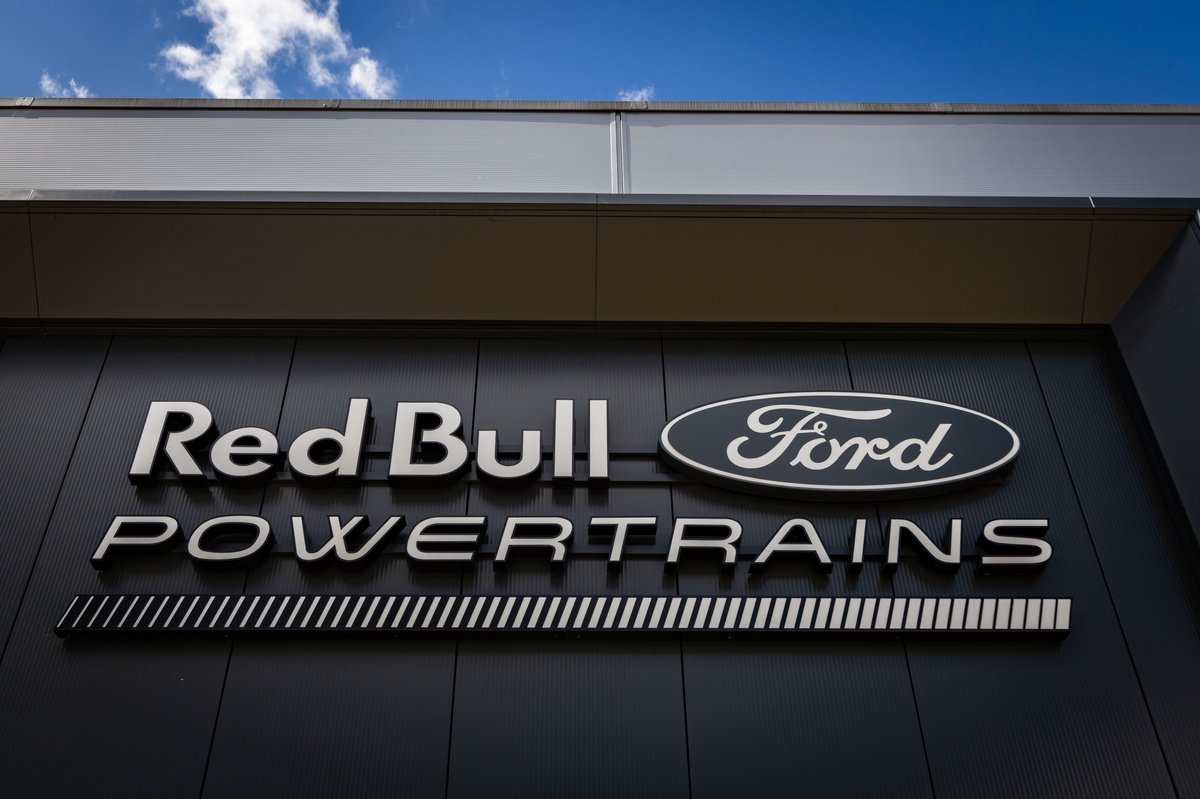
Ford, collaborating with Red Bull Powertrains, is heavily invested in this transformation. The partnership is based in Milton Keynes, focusing on co-developing the new power units. Mark Rushbrook, head of Ford Performance, affirmed the collaboration’s strength and depth. "Work started even before we signed the contract," he noted. "We’re delivering on the development of both internal combustion engines (ICE) and electrical components, contributing more than initially anticipated."
Rushbrook emphasized Ford’s daily manufacturing and testing of components, highlighting the rapid pace and technical challenges inherent in F1. "The development timeframe for a power unit far exceeds that of a whole race car: nearly three and a half years for the power unit compared to two years for a GT3 car," he remarked. This challenge is exacerbated by the newness of both Ford and Red Bull in this specialized domain.
Addressing competition, Red Bull team principal Christian Horner recognized the hurdles posed by established manufacturers. Despite meeting internal milestones, Rushbrook indicated that the journey isn’t without challenges, stating, "You never hit everything 100%. It’s about how you react to findings in durability testing."
In terms of competitive positioning, uncertainty remains. Rushbrook acknowledged the opaque nature of rival performance until the cars hit the track in 2026. He expressed, "You don’t know where they are at unless you test under the exact same conditions." This unpredictability underscores the cautious optimism within the Red Bull-Ford collaboration as they navigate this substantial technological shift.
The 2026 season represents a pivotal moment for the partnership, as they attempt to blend innovative powertrain solutions with a competitive spirit, matching the ambitions of more experienced rival teams.


