








Red Bull’s Protest Sparks Formula 1 Review of Protest System
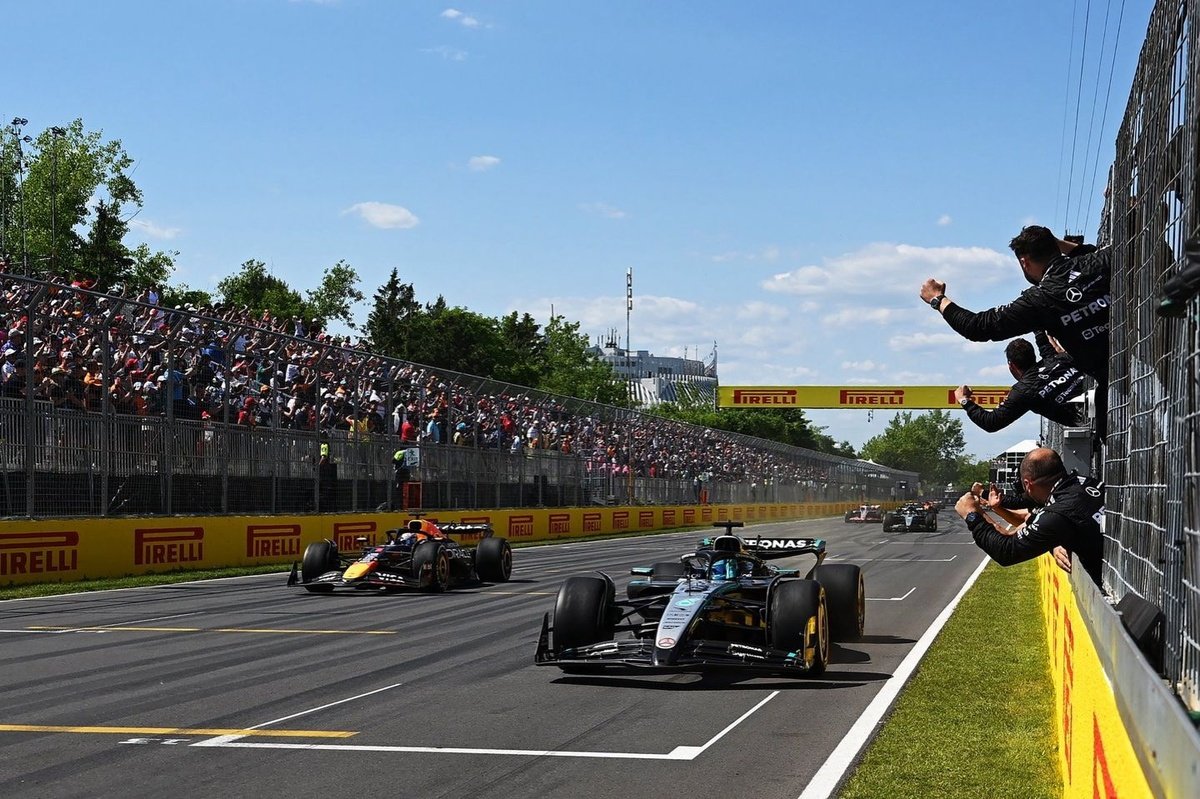
Montreal, Canada – Following Red Bull’s protest against George Russell’s victory at the Canadian Grand Prix, Formula 1 officials are set to evaluate possible reforms to the current protest framework.
During the race, Red Bull lodged two protests against Russell: one for alleged erratic driving behind the safety car and another regarding his radio comments about Max Verstappen’s overtaking maneuver. Although the second protest was promptly retracted, the first persisted, delaying the official race results for approximately five hours before it was ultimately dismissed by FIA officials.
This incident marks the second protest by Red Bull against Russell and Mercedes this season, following a prior complaint regarding Russell’s conduct during the Miami Grand Prix, which was also rejected.
Red Bull Team Principal Christian Horner defended the team’s decision to protest, underscoring their commitment to fair competition. In contrast, Mercedes Team Principal Toto Wolff emphasized the legitimacy of protests but suggested that some actions could be deemed excessive. “It’s absolutely legitimate to protest… However, some of these actions are just not real,” Wolff said at the Austrian Grand Prix.
As discussions around the protest system unfold, Wolff proposed increasing the financial stakes for lodging complaints, noting that the current deposit of €2,000 fails to deter teams with substantial budgets. He suggested implementing a penalty that conveys a financial embarrassment for unsuccessful protests, potentially encouraging teams to consider their actions more thoughtfully.
The FIA is exploring several options, including higher deposit amounts and a challenge system similar to that in tennis, where teams would have a limited number of protests per season. The proposed changes aim to balance competitors’ rights to contest results while minimizing frivolous claims.
Despite the ongoing dialogue about reform, some industry sources believe the existing system is adequate, asserting that the right to protest remains essential for fair competition. As new regulations come into effect in 2026, opportunities for protests may increase, making these discussions particularly timely.
The issue will be revisited at the upcoming F1 Commission meeting scheduled for July 22, just ahead of the Belgian Grand Prix.


