








Evolution of F1: A Technical Comparison of the Alfa Romeo 158 and McLaren MCL39
The landscape of Formula 1 racing has dramatically transformed since its inception in 1950. While social media presence and technological developments dominate the modern narrative, the essence of the championship—designing competitive cars and executing successful race strategies—remains unchanged. This report delves into the technical evolution of Formula 1 through a comparative analysis of two iconic cars: the 1950 Alfa Romeo 158 and the 2025 McLaren MCL39.
Key Specifications
Dimensions
| Alfa Romeo 158 | McLaren MCL39 | |
|---|---|---|
| Length | ≈ 4250 mm | > 5000 mm |
| Width | ≈ 1550 mm | 2000 mm |
| Wheelbase | 2500 mm | < 3600 mm |
| Weight | ≈ 650 kg | 800 kg |
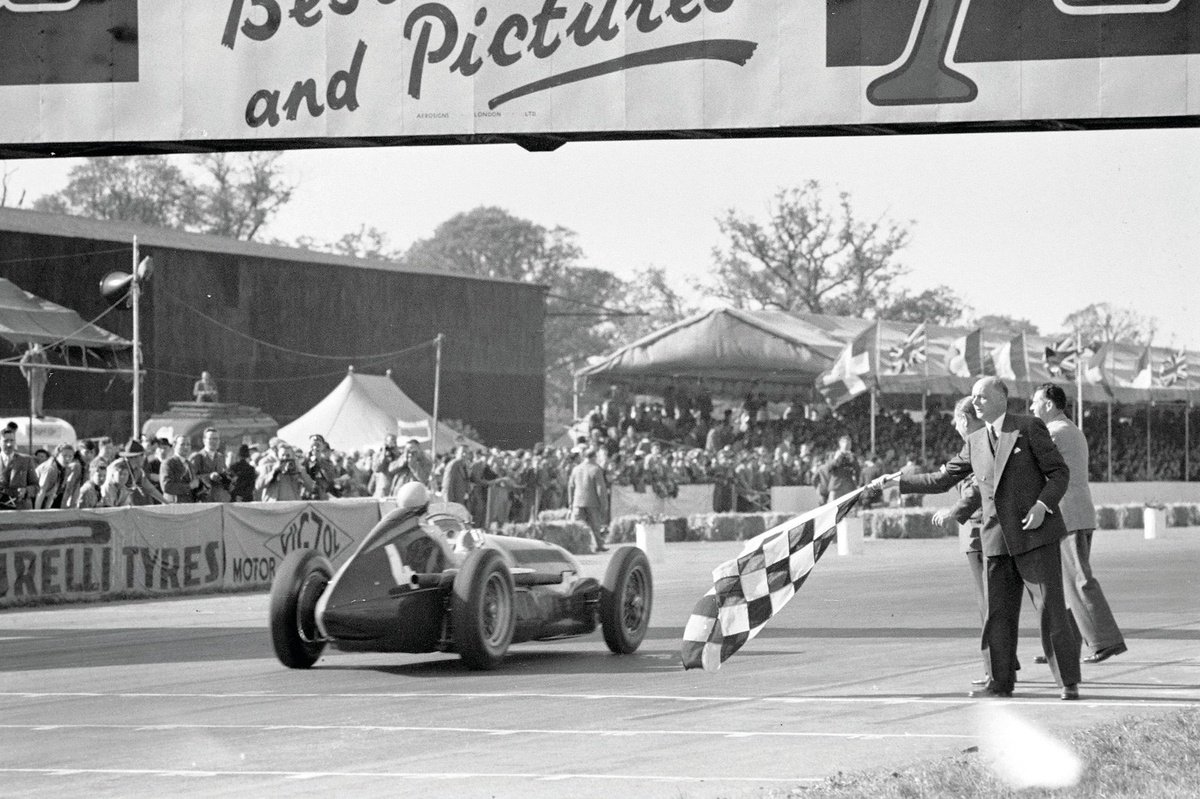
The Alfa Romeo 158, known as the ‘Alfetta’, was initially a compact voiturette. Its relatively small dimensions reflect a bygone era, where lighter and smaller cars prevailed. In contrast, the McLaren MCL39 exemplifies the modern F1 vehicle, necessitated by advancements in hybrid systems and aerodynamics.
Chassis and Suspension
| Alfa Romeo 158 | McLaren MCL39 | |
|---|---|---|
| Chassis | Tubular frame | Carbon-fiber monocoque |
| Front Suspension | Trailing-arm, transverse leaf spring | Pullrod-activated, carbon fiber/titanium wishbones |
| Rear Suspension | Swing axle (1950), De Dion axle (1951) | Pushrod-activated, carbon fiber/titanium wishbones |
The 158’s tubular frame design predates the monocoque’s introduction, while its suspension systems, crafted for independent wheel movement, lacked the refinement seen in modern designs like those of the MCL39. Current F1 models incorporate complex suspension layouts that enhance aerodynamics and vehicle dynamics.
Powertrain and Fuel Economy
| Alfa Romeo 158 | McLaren MCL39 | |
|---|---|---|
| Engine | 1.5-litre inline-eight with supercharger | 1.6-litre V6, direct injection, turbocharged |
| Gearbox | Four-speed manual | Eight-speed seamless-shift semi-automatic |
| Fuel | Shell (98% methanol) | Petronas |
| Fuel Consumption | ≈ 1.5-2 mpg | Limited to 100 kg/hour |
In 1950, the 158’s inline-eight engine generated around 350 bhp, highlighting a rapid evolution in power technologies. Today, the MCL39’s hybrid power unit achieves approximately 1000 bhp and moves towards highly efficient fuel consumption, driven by modern innovations.
Brakes and Tyres
| Alfa Romeo 158 | McLaren MCL39 | |
|---|---|---|
| Brakes | Hydraulic drum brakes | Six-piston calipers, carbon-carbon discs |
| Tyres | Pirelli (narrow tread) | Pirelli (multiple compounds) |
Modern braking systems in F1, utilizing carbon-carbon materials, offer unparalleled stopping power, enabling late braking techniques that were infeasible with the hydraulic drum brakes of the 158.
Driver Comparison
| Alfa Romeo (Drivers) | McLaren (Drivers) |
|---|---|
| Juan Manuel Fangio (5x World Champion) | Lando Norris (5x Grand Prix Winner) |
| Giuseppe Farina (1st F1 World Champion) | Oscar Piastri (2025 Championship Leader) |
Drivers in the 1950s, like Fangio and Farina, were significantly older and possessed different physical builds compared to today’s athletes, reflecting the evolving demands of F1 racing.
Conclusion
The comparison between the Alfa Romeo 158 and McLaren MCL39 underscores the monumental progress in Formula 1 over the past 75 years. Advances in materials, technology, and driver training have reshaped the sport into a complex and highly competitive arena, maintaining the core principle of racing for victory. As McLaren leads the grid in 2025, the evolution of F1 technology continues to affirm the championship’s legacy.


