







Monaco Grand Prix Circuit Modifications: A Proposal for Enhanced Overtaking Opportunities
As discussions around the Monaco Grand Prix continue to evolve, former F1 driver Alex Wurz has proposed a series of modifications aimed at improving overtaking opportunities on the iconic but challenging circuit. These suggestions come in response to increasing criticism regarding the difficulty of passing on the narrow streets of Monaco.
Wurz, who serves as chairman of the Grand Prix Drivers’ Association, outlined three key changes in a video presentation. His primary objective is to allow more dynamic racing without significant alterations to the circuit’s existing layout.
Proposed Changes:
-
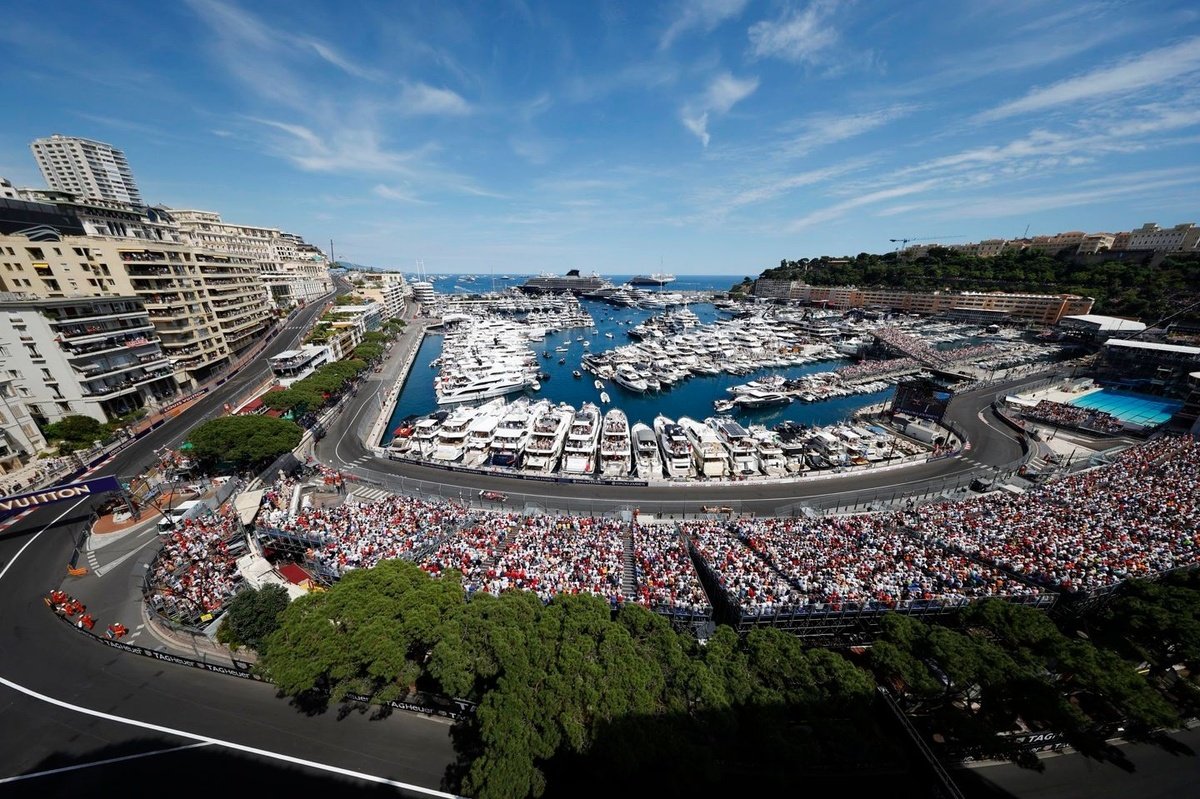
Apex Adjustment at La Rascasse: Wurz suggests shifting the apex of La Rascasse out by two to three meters and widening the track on the approach. This would create a tactical dilemma for drivers, enhancing the potential for "dive bomb" overtakes. The area does not have kerbing on the left side, simplifying the implementation of this change, despite potential congestion for pedestrian traffic.
-
Wider Hairpin Entry and Exit: Widening the entry of the famous hairpin would compel drivers to choose between covering the inside line or risking an overtaking maneuver. This change would necessitate alterations to the existing kerbs and pedestrian pathways. The expected outcome is a more competitive racing scenario throughout the tight section, which has historically been a bottleneck.
- Repositioning of the Nouvelle Chicane: Perhaps the most ambitious proposal involves moving the Nouvelle Chicane 80 meters closer to Tabac, which would create a straighter and wider entry. This change would need careful engineering, pushing slightly into the harbor but drawing on precedents from past work in the area.
Wurz emphasized the importance of maintaining the current challenges posed by corners like Tabac while creating new overtaking opportunities. "The actual racing line would not change," he stated, referring to the hairpin’s profile, but highlighted the increased competitiveness that these modifications could foster.
F1 CEO Stefano Domenicali acknowledged the challenges posed by Monaco’s limited real estate and the inherent difficulties in modifying the circuit while ensuring safety and accessibility. "The goal is attention and discussion," he noted, following a recent unsuccessful tyre strategy attempt aimed at revitalizing excitement in the race.
As Monaco prepares for its next Grand Prix, the potential for these modifications remains a topic of interest among teams and drivers alike, representing a commitment to enhancing the historic race’s competitive edge while respecting its storied heritage.


