








Sainz Critiques Monaco GP’s Two-Pitstop Rule Amid Strategic Manipulation
Monaco Grand Prix Analysis: Carlos Sainz has publicly criticized the implementation of a mandatory two-pitstop rule during the Monaco Grand Prix. The Ferrari driver argued that the rule allowed for strategic manipulation, enabling teams to control race outcomes by deliberately slowing down to create advantageous buffers for teammates.
Sainz noted, “Ultimately, you’re driving two or three seconds off the pace that the car can do… it makes the race easier to manipulate.” He highlighted that while such tactics might be challenging on other circuits with DRS zones and longer straights, Monaco’s tight confines simplify the process.
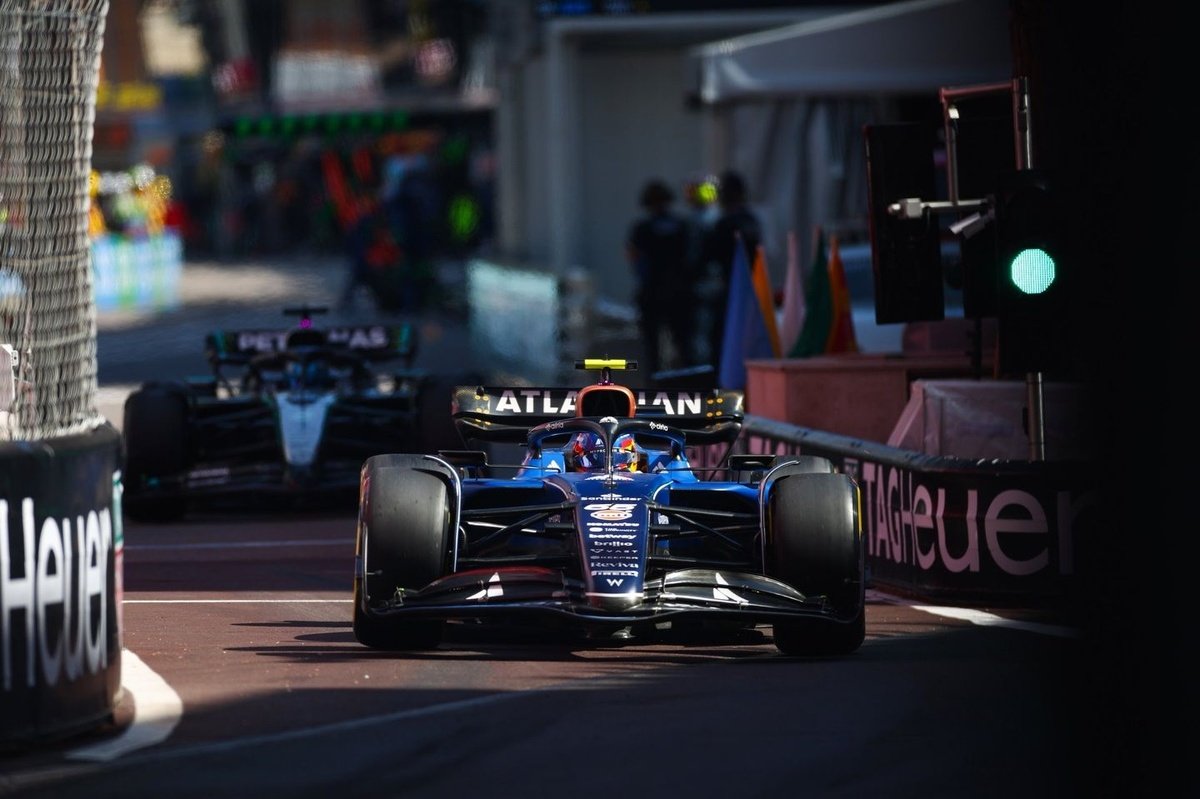
The Williams duo, comprising Alex Albon and his teammate, strategically held up the midfield, allowing both to secure points; Sainz and Albon finished in the points after maintaining pace that impeded competitors like Mercedes’ George Russell and Andrea Kimi Antonelli.
Frustrated by the strategic blocking, Russell engaged in a controversial move, overtaking Albon off-track and subsequently receiving a drive-through penalty for cutting the chicane. “I’d rather take a penalty than give that position back,” he stated post-race.
In the context of strategic penalties, Sainz remarked, “In the past, there were huge penalties for manipulating a race. We are driving so slow that we are manipulating a race.” Meanwhile, Racing Bull’s Liam Lawson and Isack Hadjar also worked in tandem, with Lawson creating a buffer, enabling Hadjar to finish sixth, just two positions lost during his stop.
Overall, the Monaco Grand Prix has reignited discussions on race manipulation tactics and the effectiveness of current rules.
Race Results Highlights:
- Carlos Sainz (Ferrari) and Alex Albon (Williams) score points.
- George Russell (Mercedes) receives a drive-through penalty.
- Liam Lawson finishes eighth, with Isack Hadjar in sixth.
This incident underscores ongoing debates surrounding strategy, race regulations, and their impacts on sporting integrity within Formula 1.


