





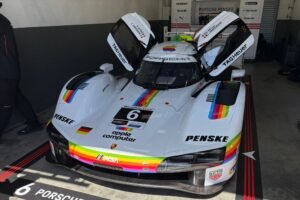




Sauber Motorsports Celebrates 600 Races at Imola
Sauber Motorsports marks a significant milestone with its 600th Formula 1 Grand Prix at the Imola circuit. This achievement encompasses the team’s history from its inception in 1993 through its tenure as Alfa Romeo from 2019 to 2023. Despite facing financial turmoil in the past, Sauber has navigated a transformative journey that now leads to a partnership with Audi set to commence in the 2024 season.
Key Historical Highlights
1993: The debut race at the South African Grand Prix saw J.J. Lehto recover from early gear issues to finish fifth, clinching the team’s first-ever points. The Sauber C12 impressed with its potential and design, setting the stage for future endeavors.
1995: Heinz-Harald Frentzen secured the team’s first podium at the Italian Grand Prix, finishing third amid a field marked by attrition. This result reflected Sauber’s growing competitiveness after establishing a partnership with Ford.
1997: Johnny Herbert’s performance in Hungary highlighted the team’s capability to capitalize on others’ misfortunes, wherein Herbert finished third, foreshadowing Sauber’s resilience.
2001: Facing struggles in the early 2000s, the team rebounded with a double points finish in Australia, marked by notable performances from rookie Kimi Räikkönen and Nick Heidfeld, who finished fifth and sixth respectively.
2006: The Hungarian Grand Prix marked Sauber’s first podium under BMW sponsorship, with Nick Heidfeld finishing third, while rookie Robert Kubica showcased his potential by finishing seventh.
2008: Robert Kubica clinched the team’s only race victory during the Canadian Grand Prix, establishing Sauber as a formidable competitor in the championship landscape that season.
2012: Sergio Perez came perilously close to winning the Malaysian Grand Prix, finishing second behind Fernando Alonso in a race characterized by challenging conditions.
2015: Despite a points drought in 2014, Felipe Nasr’s strong debut in Australia yielded a fifth-place finish, propelling the team back into competitive relevance.
2018: Charles Leclerc secured his first F1 points in Azerbaijan, further validating Sauber’s strategic turnaround leading to increased performance and sponsorship from Alfa Romeo.
Contextual Overview
Sauber’s evolution reflects the complexities of the F1 landscape, navigating financial crises, ownership changes, and regulatory shifts. As the team transitions to Audi involvement, this legacy of resilience indicates a promising future and a continued commitment to remaining competitive on the world stage.
Conclusion
The milestone of 600 races is not merely a celebration of the past but acts as a launchpad for the future – combining a storied history with a fresh ambition in collaboration with Audi. Sauber remains a pivotal figure in the ongoing narrative of Formula 1, underscoring the team’s dedication to innovation and performance.


