








Red Bull Prepares for 2026 F1 Regulations Shift
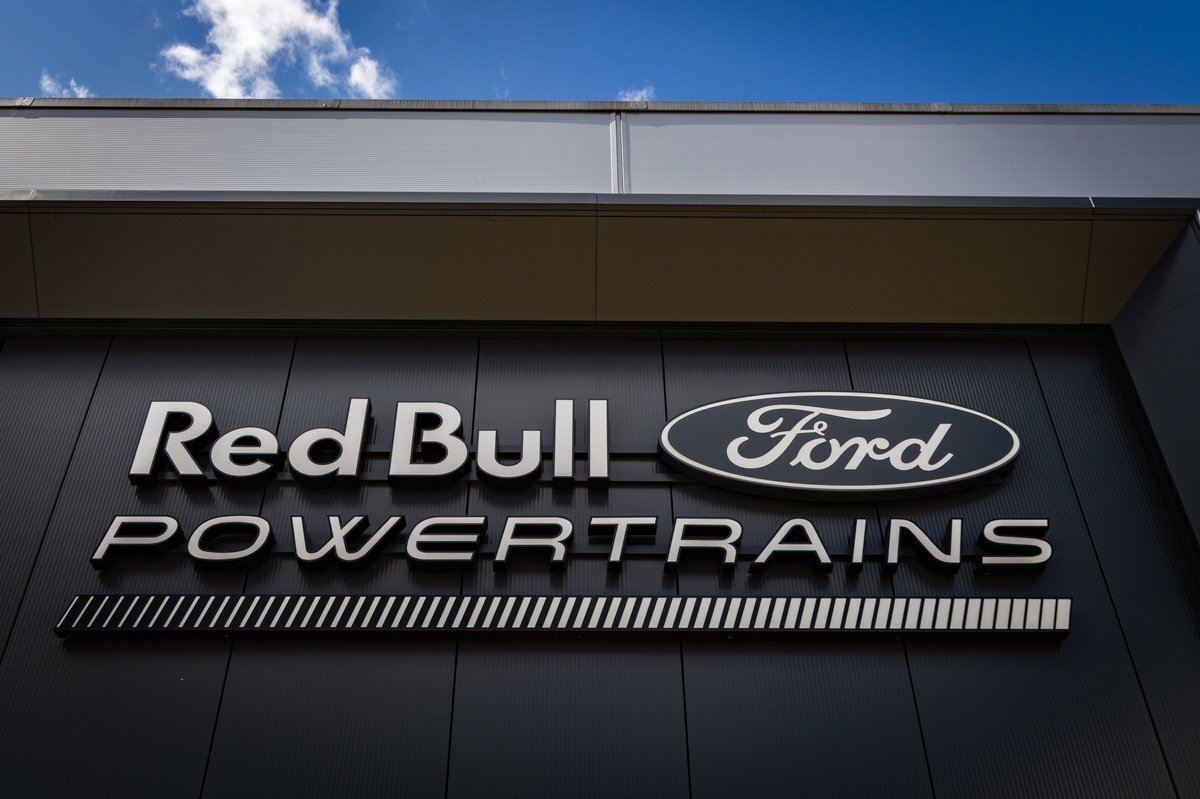
As the 2025 Formula 1 season progresses, significant attention is shifting towards the upcoming 2026 regulations that will introduce new engine and chassis specifications. This overhaul marks a pivotal transition for all teams, particularly Red Bull Racing, which will transition from Honda power units to its own Red Bull Powertrains-Ford engine.
Mark Rushbrook, Global Director of Ford Performance, has indicated that while key milestones for the 2026 engine are being met, achieving all targets simultaneously remains challenging. He emphasized the importance of adaptability within the sport: “Anytime there are new rules… there’s a known risk for the sport that people can come in at different levels. We must see how it balances out afterward,” said Rushbrook.
Key Concerns
The paddock remains divided over two primary concerns: first, whether the restructuring will create wider performance gaps between teams, potentially leading to long-term dominance reminiscent of Mercedes from 2014 onwards. Discussions, including an engine summit in Bahrain, have explored possible concessions for underperforming manufacturers to maintain competitiveness.
Rushbrook remarked, “This is part of the discussions we’re having right now, and I’m happy with how those talks are going so far.” He underscored the need for extra dyno hours and budget cap allowances for engine development to enhance parity.
Impact on Racing
The second concern centers on the type of racing the new rules might produce. During the Bahrain Grand Prix, Christian Horner suggested potential alterations to energy deployment might be beneficial in preserving competitive racing dynamics. “We need to ensure the show remains exciting for fans and drivers alike,” he stated.
Rushbrook reiterated the commitment to producing compelling racing: “We’ve got to work together to make sure that the show is still a good show. The teams are here to win, but we also need to put on a good race.”
Future of Engine Design
Looking beyond 2026, the debate around engine specifications for future seasons is intensifying. The FIA has clarified that next-gen engines will incorporate an electric component. Rushbrook affirmed that electrification is key for Ford’s long-term involvement, stating, “It’s all about the balance between the ICE and electrification.”
While discussions of a return to V10 or V8 engines have circulated, Rushbrook cautioned against oversimplification: “There are so many ways to implement something like that.”
Ford’s commitment to Red Bull Racing is clear as they prepare for the regulatory changes ahead. Rushbrook emphasized the necessity of collaboration among teams and manufacturers to ensure the health of the sport moving forward. “It’s about being partners off the track,” he concluded.
Conclusion
As Formula 1 approaches this critical juncture, all stakeholders must navigate the complexities of regulation changes. The upcoming 2026 season not only signals a technological shift but also necessitates a collective effort to maintain racing integrity and fan engagement.


