








Motorsports Industry Report
IndyCar: A Call for Diversity in Competition and Marketing
As fan sentiment grows increasingly critical of IndyCar’s reliance on spec cars and limited engine suppliers, a pressing question emerges: what will it take for the series to expand its appeal and diversify its composition? Community members suggest that wider engagement, both in viewership and attendance, might rekindle sponsor interest reminiscent of the CART era.
Viewership Insights
- During the CART era, sponsorship flourished with major brands actively promoting their involvement, leading to higher visibility and engagement. Notably, CART’s average viewership in 1999 stood at 1,130,000 during a 20-race season without the Indianapolis 500, while this year, FOX’s all-network debut season averaged 1,362,000 viewers across 17 races, bolstered by the Indy 500’s significant viewer draw of 7.8 million.
Team Dynamics and Future Prospects
In recent discussions, the potential for PREMA crew members to move to other teams in 2026 has garnered attention, alongside speculation about the future of Rinus VeeKay. Although connections suggest he remains open to returning to Dale Coyne Racing, challenges persist in securing opportunities for emerging talents like Toby Sowery and Hunter McElrea, as increasing reliance on financial backing restricts the field size for upcoming seasons.
Upcoming Events and Series Changes
- Indianapolis will feature a full-length race at Phoenix on March 7-8, 2026, though the details surrounding practice and qualifying remain under development. Ticket sales have begun, and further communication from both the series and track is expected soon.
Current Challenges in Endurance Racing
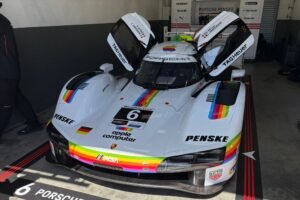
In the World Endurance Championship (WEC), Balance of Performance (BoP) issues have stirred discontent, particularly for manufacturers like Toyota, which have struggled under the latest regulations. As teams adapt to evolving BoP rules, the racing landscape remains in flux, prompting discussions on industry standards and competitive balance.
Emerging Technologies and Fan Engagement
With innovations in tire strategy and racing formats being key discussion points, questions arise regarding Formula 1’s regulatory framework. Critics advocate for a balanced competitive environment that encourages varied race strategies without detracting from on-track action.
Final Thoughts
As the motorsports landscape evolves, the call for diversified strategies across series becomes imperative, whether through improved fan engagement and sponsorship models, competitive fairness, or the integration of emerging technologies. The outcome of these conversations will shape the future trajectory of racing, making such discussions vital for stakeholders across the spectrum.
Fans and industry insiders are encouraged to engage in ongoing discussions and share insights, fostering a vibrant dialogue around the future of motorsports. For further inquiries and contributions, please direct your communications to our editorial team.


