









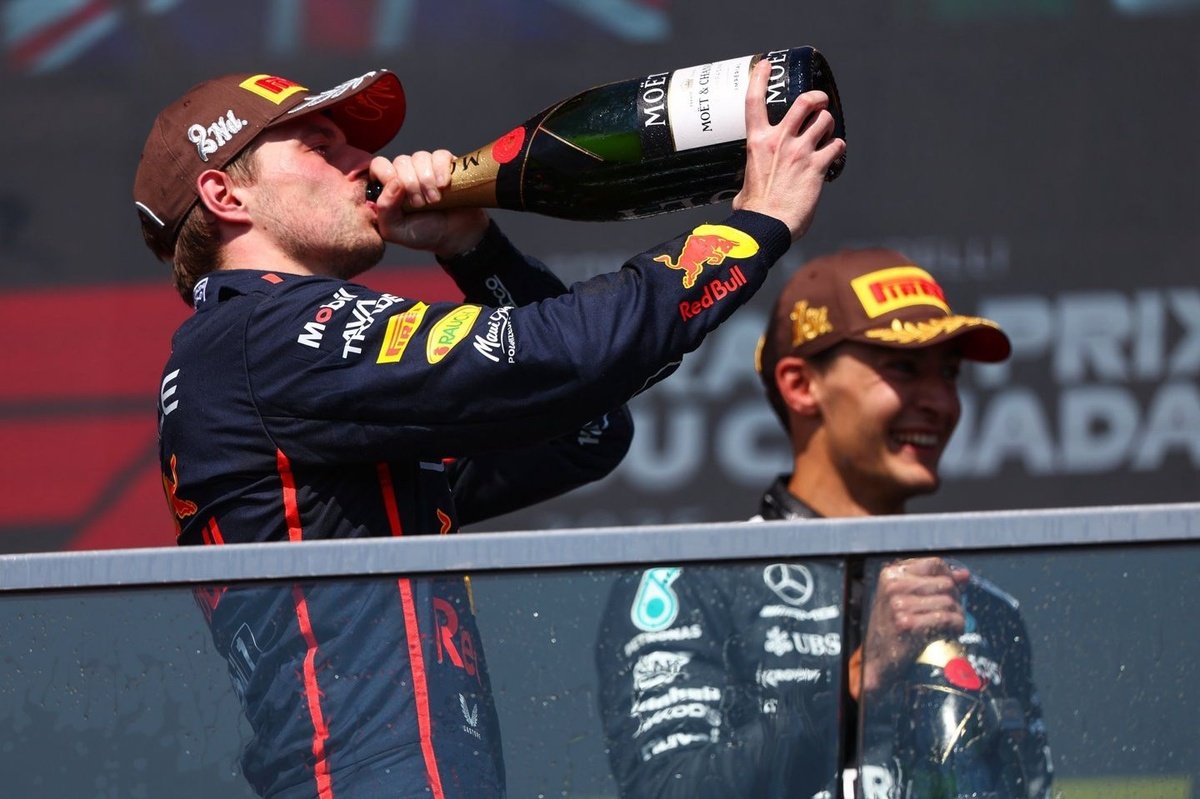
Analysis of Max Verstappen’s Future in Formula 1: Mercedes’ Interest and Implications
The speculation surrounding Max Verstappen’s potential move to Mercedes has intensified, positioning the Dutch driver at the epicenter of current Formula 1 narratives. His contract with Red Bull Racing extends until 2028, yet discussions suggest a distinct possibility that he could don a silver suit by 2026.
Mercedes Group chairman Ola Kallenius weighed in on the matter during the Spanish Grand Prix weekend, asserting, "The best drivers want to drive the best cars. Our job is to put together the best package possible, and I think Max would look good in silver." His comments reflect a strategic interest in attracting Verstappen, given his strong rapport within Mercedes.
Meanwhile, Christian Horner and Helmut Marko of Red Bull have firmly reinforced their commitment to retaining Verstappen, revealing a dual narrative shaping the landscape. Speculation remains that while the likelihood of Verstappen leaving Red Bull isn’t high, the scenario cannot be entirely dismissed. His possible departure would involve significant repercussions, particularly for current drivers George Russell and Andrea Kimi Antonelli. If Verstappen were to join, Russell might be sidelined, undermining nearly a decade of investment in his career development.
The potential advantages of Verstappen’s transfer to Mercedes are substantial. With rumors of a new power unit poised to lead the forthcoming regulations, acquiring Verstappen could significantly strengthen Mercedes’ position in the competitive landscape, especially against McLaren, which, like Mercedes, will be utilizing Brixworth engines.
However, complications could arise; Verstappen’s potential dominance could overshadow achievements within the team, complicating relations should the partnership face challenges. His history as a "team-mate killer" poses risks to Antonelli’s development within the junior program.
Moreover, Verstappen’s contract negotiations could serve as leverage for him to push for changes in Red Bull’s leadership structure, which is currently viewed as monolithic under Horner. Notably, even with a binding contract, teams struggle to retain a driver intent on departure, making the discussions surrounding his future profoundly nuanced.
Ultimately, the scenario embodies a critical juncture for both Verstappen and the teams involved, highlighting the delicate balance of talent acquisition and team management in modern Formula 1.


