





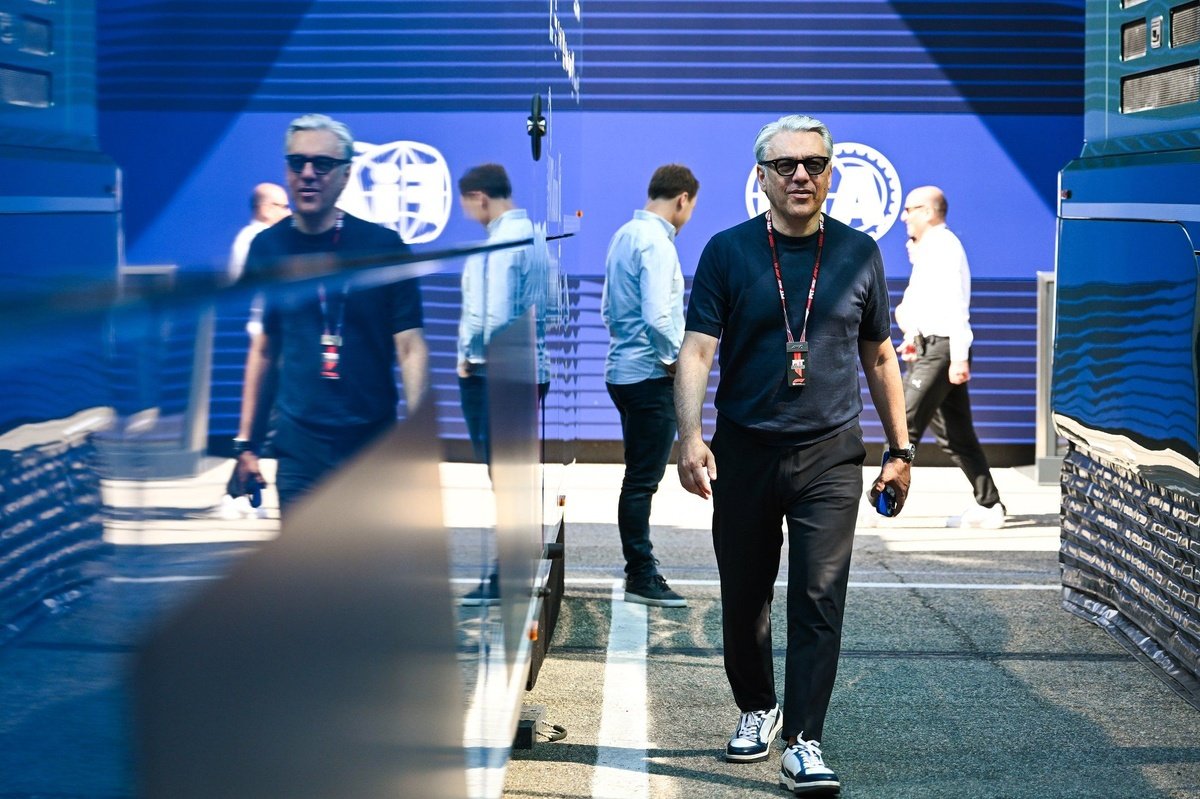
De Meo Departs: Implications for Alpine F1 and Renault Group
Luca de Meo’s impactful tenure as CEO of Renault Group, which began amid significant financial turmoil in 2020, has culminated with his departure to lead Kering, the luxury brand group. Under de Meo’s leadership, Renault transformed from a €7.3 billion loss to a €4.26 billion operating profit, a turnaround he termed the "Renaulution." His focus on innovation revitalized the brand’s vehicle lineup while emphasizing performance-driven sub-brands, notably Alpine.
De Meo’s commitment to excellence in automotive design reversed a trend of mediocrity established under former CEO Carlos Ghosn, who prioritized cost-cutting. De Meo reinstated the production of the iconic Renault 5 as an electric vehicle and positioned Alpine prominently within the group.
However, his management of the Alpine Formula 1 team has faced challenges. His decision to rebrand the team in 2021 and replace team principal Cyril Abiteboul with Davide Brivio—an outsider from MotoGP—raised eyebrows. Confusion over leadership roles in the team intensified when Laurent Rossi, another de Meo appointee, assumed a prominent presence despite lacking extensive industry experience.
Further strife arose between Rossi and consultant Alain Prost, culminating in Prost’s departure amid criticisms of Rossi’s capabilities and decision-making. Despite the volatility, de Meo’s strategy included hiring Flavio Briatore as an "executive advisor," a move perceived as a last-ditch effort to reshape the struggling F1 team.
Notably, de Meo opted to forge a partnership with Mercedes for engine supply, a decision eliciting criticism for sacrificing Renault’s historical engine development capabilities. De Meo defended this choice, citing significant cost reductions and the necessity for rational financial decisions in a publicly listed company amid competitive pressures.
As de Meo leaves, uncertainty looms over the future of Alpine F1. Briatore emphasized the importance of stability through a clear vision, stating, “Luca supported that plan. His departure won’t stop us.” Nevertheless, the internal dynamics and potential shifts in strategy could herald further upheaval.
The Renault Group must now find a successor who can sustain this momentum while navigating industry challenges, particularly the increasing threat from subsidized foreign EV imports. The departure of de Meo could signal not only a pivotal moment for Alpine F1 but also broader implications for Renault’s strategic objectives in a rapidly evolving automotive landscape.


