







Concerns Rise Over New F1 Regulations Ahead of 2026
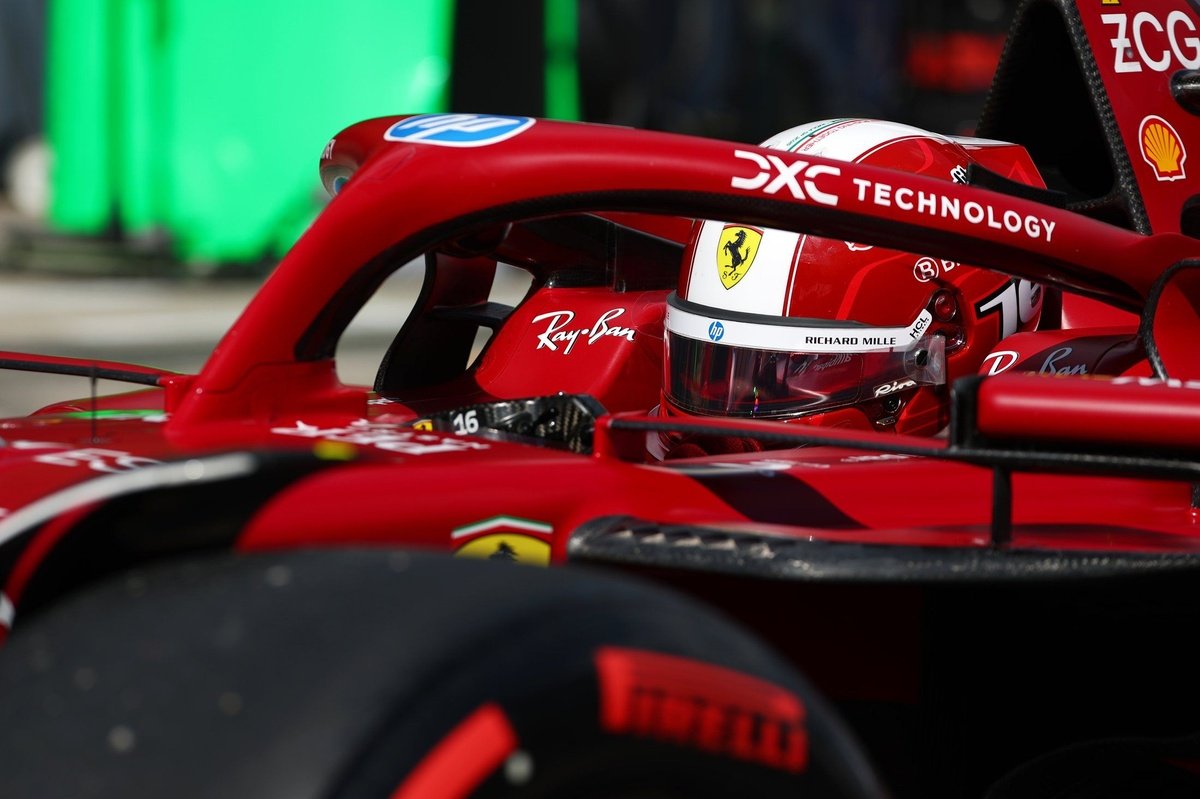
As Formula 1 gears up for a significant shift in regulations for the 2026 season, concerns from prominent drivers about the new car design have surfaced. Charles Leclerc, driver for Ferrari, has expressed apprehension that the upcoming cars will be “less enjoyable” to drive. He noted during the Austrian Grand Prix that the new design, aimed at providing a more balanced power distribution between internal combustion engines and electric support, might compromise driver experience.
"I think it’s no secret that I believe the regulations will make the cars less enjoyable to drive," Leclerc stated. "We are still in a relatively new project phase, but my hope is that it will evolve positively over the coming months."
This shift involves reduced downforce and increased drag, affecting cornering speeds and overall handling. With a near 50/50 split in power from traditional engines and hybrid sources, energy management will become a critical aspect of racing strategy. Leclerc highlighted the challenge of maximizing performance with a fundamentally different car architecture.
World Champion Max Verstappen has echoed similar concerns but maintained an open-minded approach. "I’m in the middle. Maybe good, maybe bad – we’ll see," he claimed, emphasizing that adjustments to the regulations were inevitable.
Williams team principal James Vowles, who is more optimistic about the new rules, reassured that development will yield beneficial results. He remarked, "It gets better as we progress," and suggested that Ferrari’s perspective may reflect their current stage of adaptation. Other teams are reportedly ahead in testing preliminary models that align with the regulations, increasing disparity in readiness.
The regulation overhaul also includes the integration of active aerodynamics, which has drawn skepticism from various quarters, including Verstappen. Concerns linger regarding the efficiency of overtaking under these new rules. Teams, including McLaren, have acknowledged the necessity for fine-tuning energy recovery strategies to maintain competitive racing.
Mercedes’ Toto Wolff suggested that while driver feedback is common during regulatory transitions, the sporting integrity must remain intact. "Fans need to enjoy watching Formula 1, and the sport must remain high-performance," he stated.
As the buildup to the 2026 regulations accelerates, stakeholders continue to examine how the new power units and the anticipated alterations to the sporting regulations will influence race dynamics. The FIA retains the authority to adjust energy output parameters on a case-by-case basis to ensure competitive balance, particularly on power-demanding circuits like Monza.
With winter testing scheduled for late January 2026 in Barcelona, teams will face their first real challenge in navigating the new technical landscape of Formula 1, as they work to address driver concerns and optimize performance ahead of the new season.


