








Monaco Grand Prix Insights: A Historical Comparison
Date: [Insert Date]
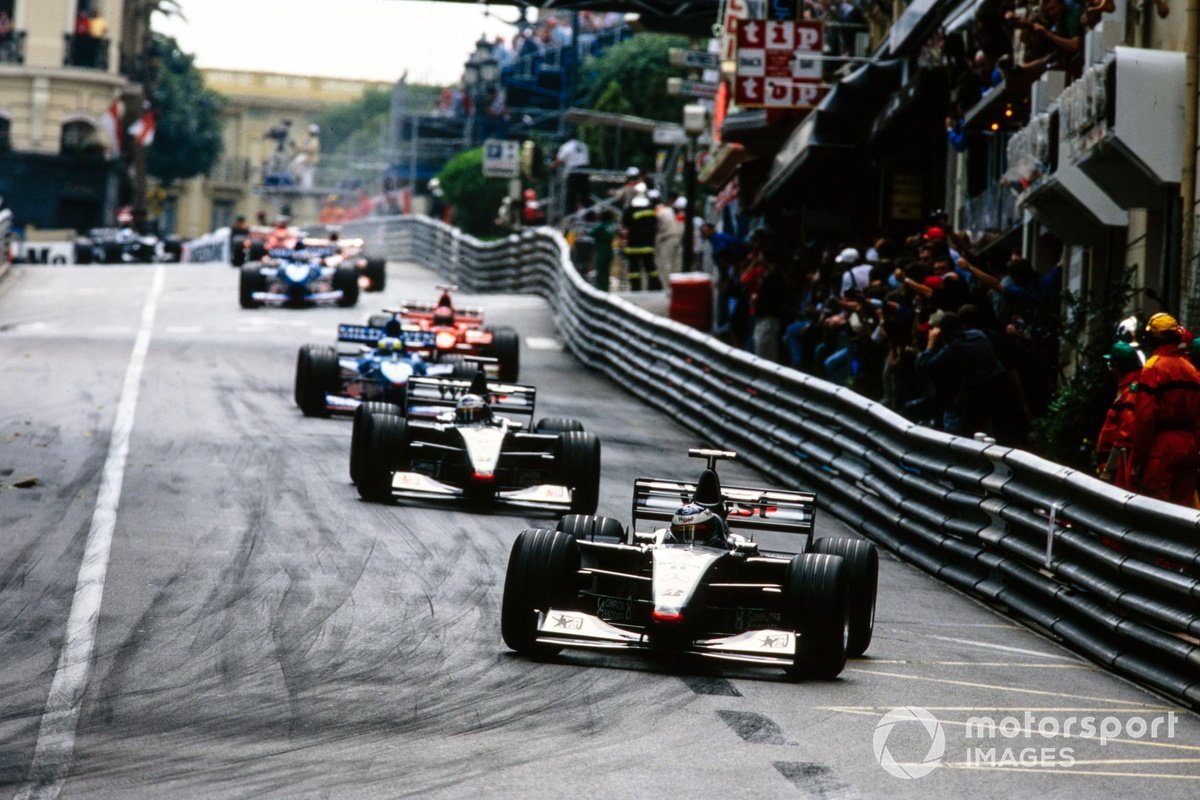
The Monaco Grand Prix has long been a focal point in the Formula 1 calendar, often sparking debates about its suitability for modern racing machines. Legendary driver Nelson Piquet likened the experience of navigating the tight streets of Monaco to riding a bicycle in a living room—an analogy that remains relevant four decades later. Today, the challenge is compounded by the significantly increased size and weight of contemporary F1 cars.
The prestigious circuit’s narrow confines continue to pose significant challenges, prompting ongoing discussions regarding its adaptability for today’s high-performance vehicles. Notably, the criticism is expected to intensify this year, with prominent figures, such as broadcaster Jeremy Clarkson, likely leading the charge. Clarkson, while known for his sharp commentary, also brings attention to broader issues affecting various communities associated with motorsport.
Key Data and Technical Insights:
- Track Characteristics: The circuit’s unique configuration restricts overtaking opportunities, raising questions about competitive fairness and race excitement.
- Car Specifications: Current F1 vehicles, engineered for improved speed and aerodynamics, face limitations in Monaco’s tight corners, pushing teams to develop bespoke setups for optimal performance.
Quote:
“In Monaco, the limits of the car and driver are tested like nowhere else. It’s a true testament to racing skill and strategy,” sums up the challenges articulated by many experts in the field.
As the race weekend approaches, the focus remains on how teams will adjust their strategies to navigate the complexities of the Monaco circuit, further underpinning its status as a beloved yet contentious venue in the world of Formula 1.


