









F1 Flexi-Wing Regulations: A Futile Change?
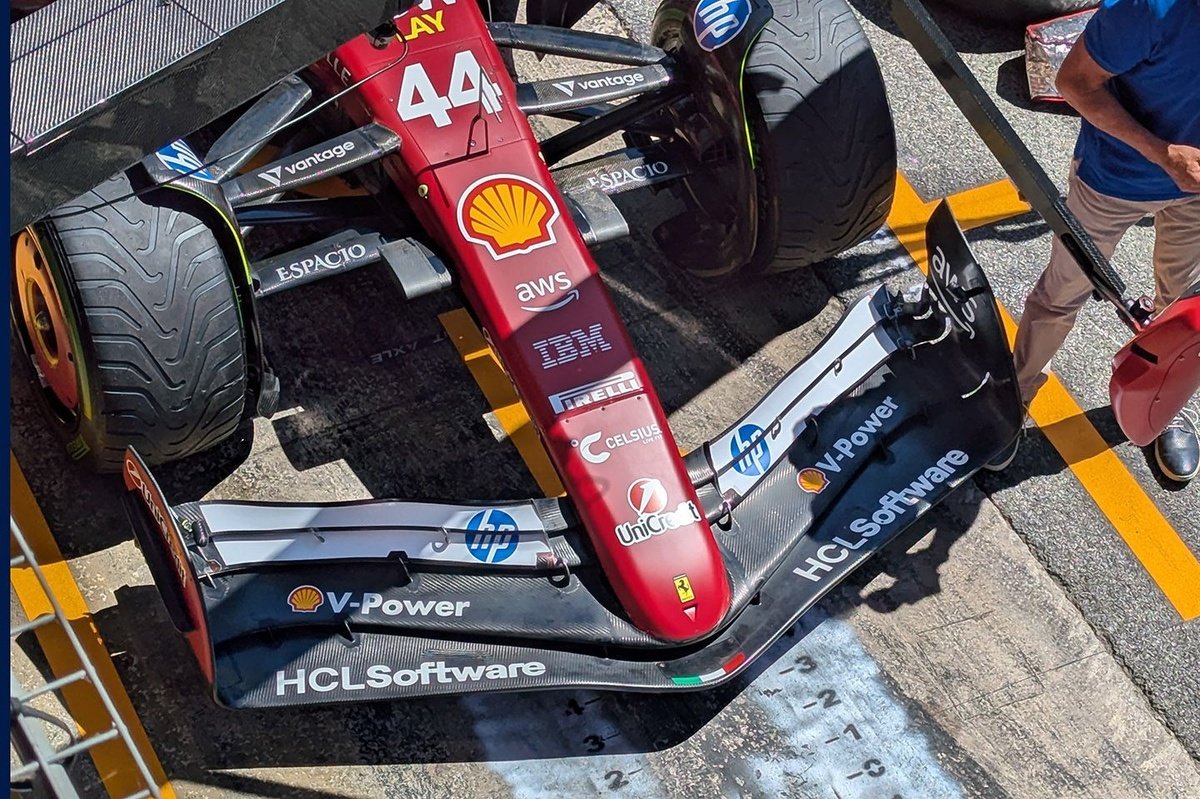
The ongoing debate surrounding flexi-wings in Formula 1 reached an anticlimactic conclusion during the Spanish Grand Prix weekend, where newly introduced deflection tests were enacted. These regulations primarily targeted the front wings of F1 cars, limiting permissible flex to 10mm under a force of 1,000 Newtons—down from 15mm. The regulations continue the FIA’s earlier tightening of rear wing aero-elasticity.
Despite Red Bull’s advocacy for the new tests, citing concerns over McLaren’s potential performance gains through aero-elastic designs, the anticipated shake-up failed to materialize. Lewis Hamilton emphasized this sentiment, labeling the changes as "a waste of money," a view not entirely shared across the grid.
The minor adjustments in wing flexibility were expected to have subtle effects, primarily impacting mid-corner balance rather than overall lap times. The tests, first announced in January, aimed to standardize the aerodynamic enhancements teams exploited through flexible components.
McLaren’s team principal, Andrea Stella, confirmed that after testing a compliant front wing design in Imola, the differences observed were negligible. “If we hadn’t told Lando [Norris] it was a different wing, he wouldn’t have spotted it,” Stella noted. Simulations corroborated this, indicating minimal changes to performance metrics.
With the effects of flexi-wing adjustments considered minor, the implications varied across teams, exacerbating existing handling issues in corners. Drivers experienced increased oversteer in high-speed and understeer in low-speed corners, which could prove troublesome, though without significantly altering laptime performance.
Toto Wolff, Mercedes’ team principal, reflected on the matter, suggesting that hopes for a definitive solution to performance gaps were misplaced. “Formula 1 is often in pursuit of marginal gains, not magic bullets,” he remarked.
This latest tweak to regulations, while aimed at fairness and safety, appears unlikely to disrupt the status quo of performance in the current championship landscape, reinforcing the notion that substantial advancements in competitive balance often require more than regulatory adjustments alone.


