








Verstappen’s Ferrari Test Sparks Controversy Among F1 Teams
In a surprising turn of events, four-time world champion Max Verstappen recently tested a Ferrari 296 GT3 at the Nürburgring Nordschleife, creating a significant stir in the motorsport community. Under the alias "Franz Hermann," Verstappen utilized the downtime between the Miami Grand Prix and the Emilia-Romagna GP to conduct the test, which was organized by Emil Frey Racing, the same team managing his own entry in the GT World Challenge.
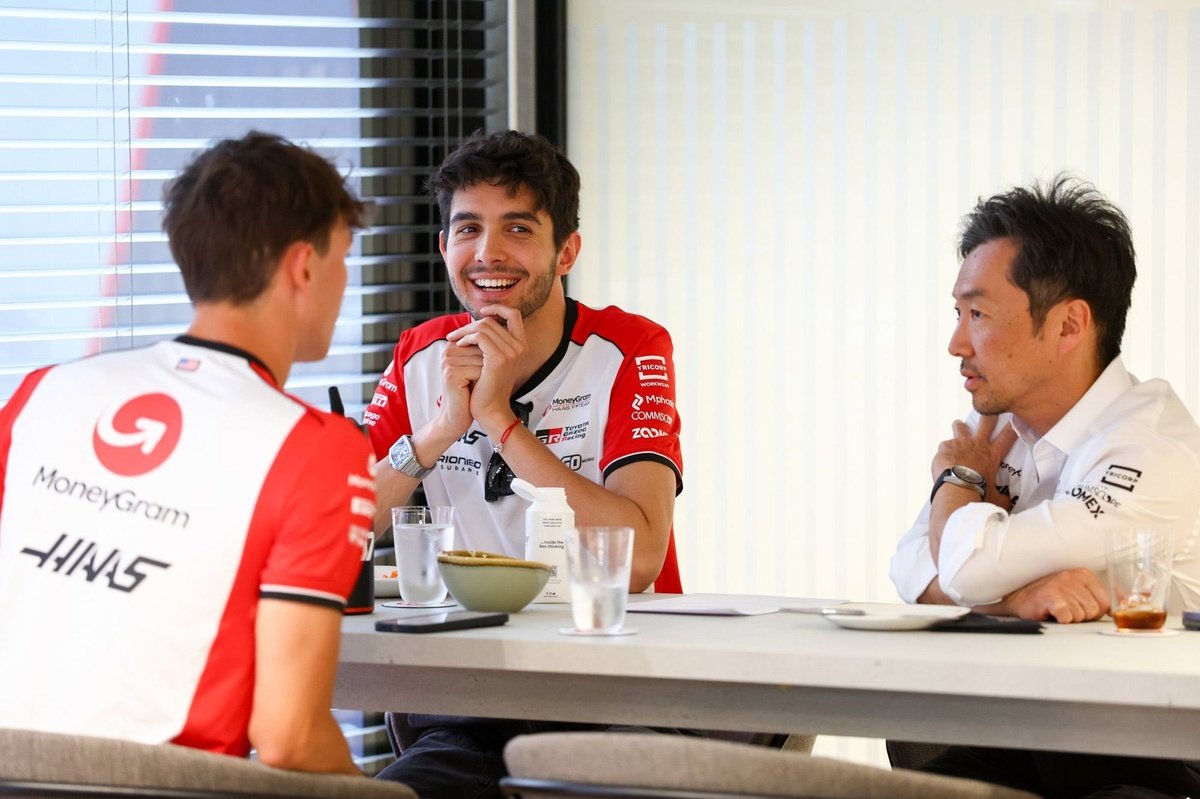
The test, adorned with Verstappen’s own livery, reportedly led to speculation that he may have broken the lap record at the notorious circuit. However, while Verstappen’s contract allows such extracurricular activities, not all F1 drivers share that flexibility. Haas team principal Ayao Komatsu firmly stated that his drivers, Oliver Bearman and Esteban Ocon, will not follow in Verstappen’s footsteps.
“Max is a multiple world champion; Oli is a rookie,” Komatsu said. He emphasized the importance of focusing on their current racing commitments, stating, “They need to look after their physical condition, mental condition… it’s busy enough with 24 races.”
Verstappen himself acknowledged the risks associated with driving slower cars in mixed traffic, highlighting the extensive simulator time he’s logged to prepare for such scenarios. "It’s definitely more dangerous for me to sit in a slower car and be dependent on the faster cars," he noted at a media briefing in Imola.
The landscape of Formula 1 has shifted significantly over the years. Unlike previous decades when drivers frequently competed across various racing disciplines, modern contracts often limit such activities due to branding concerns and the increased professionalism of the sport. Notably, instances where drivers have participated in other racing categories, such as Fernando Alonso’s participation in the 2017 Indy 500, are increasingly rare.
This evolving dynamic raises questions about the future of driver participation in diverse motorsport events, as the pressure of maintaining peak performance in a highly competitive schedule becomes paramount.


