







Pirelli Adjusts Formula 1 Tire Strategy Amid Competitive Pressures
As Formula 1’s sole tire supplier since 2011, Pirelli faces the ongoing challenge of balancing tire degradation with drivers’ demands for consistency throughout race stints. This season, however, it has shifted its compound strategy to enhance durability, resulting in predominantly one-stop races with minimal strategic variety, alarming various stakeholders.
Traditionally, Pirelli supplies three dry-weather compounds—hard, medium, and soft—selected from a pool of five (C1-C5) based on circuit requirements. This year’s adjustment has narrowed the performance gap between hard and medium compounds, reducing the incentive for teams to strategize around extended stints.
The recent Japanese Grand Prix highlighted the risks of processional racing, prompting Pirelli to propose a “compound-skipping” strategy. By increasing the performance step between compound options, teams would be encouraged to adopt two-stop strategies, particularly during sprint weekends where tire choices are critical.
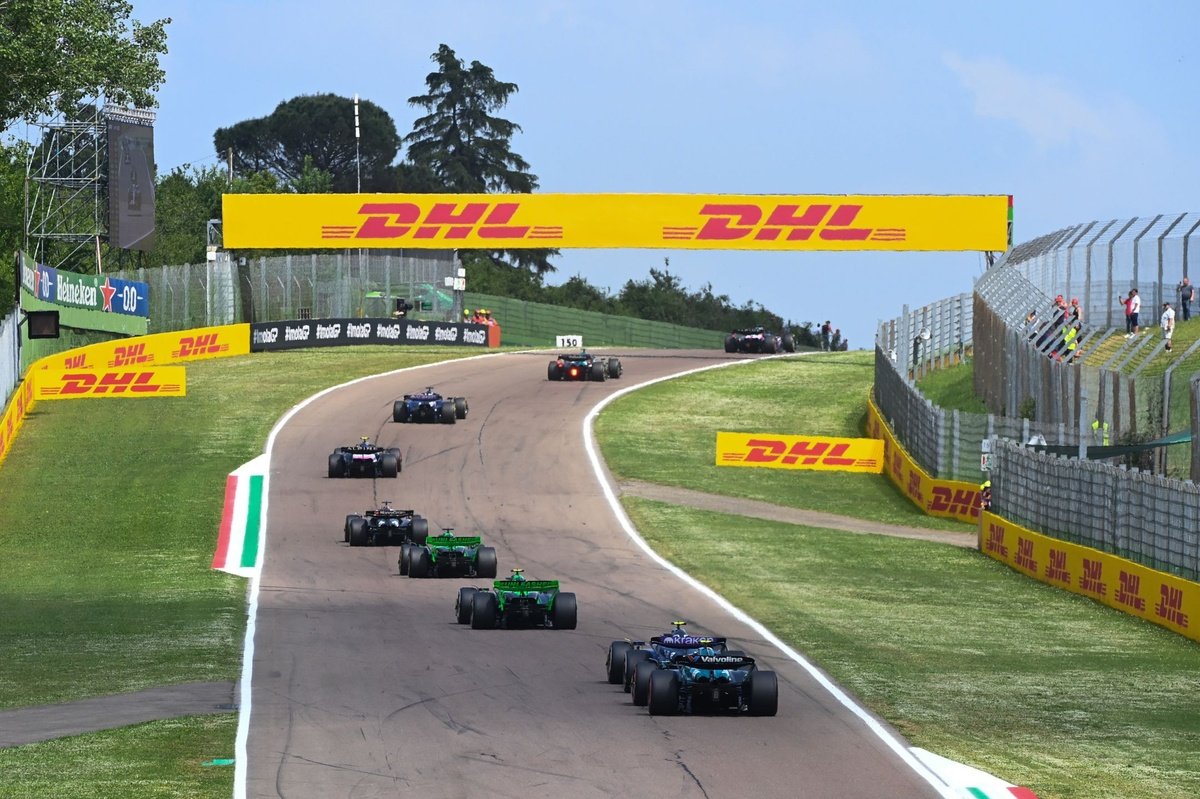
The introduction of the C6 tire—set for its competitive debut at Imola—will play a significant role in this adaptation. Pirelli’s Motorsport Director, Mario Isola, underscored the importance of gathering data on the C6, stating, “We need to understand if there is any other approach in tire selection to encourage a two-stop strategy.”
For Imola, Pirelli is deploying the softest compounds of the season, a position derived from past failures with similar tires. The C6 was intended as a super-soft option for street tracks but has yet to be tested under race conditions. Isola noted, “We hope to collect data on the C6 and assess whether skipping levels between compounds provides better racing.”
While Monaco will enforce a mandatory two-stop strategy, the broader introduction of this policy across circuits remains unlikely, as it could lead to uniform strategies and reduced variability in race tactics. Instead, stakeholders aim for a more strategic landscape with mixed stop strategies.
Isola emphasized the need for strategic encouragement rather than rigid regulations: “We try to create complexities for the teams, and they adapt their approaches.” Pirelli continues to explore how compound choices can generate intriguing tactical dilemmas for teams, ensuring that each race remains competitive and engaging.
As teams prepare for the upcoming rounds, the efficacy of Pirelli’s new strategies will be closely scrutinized, testing the balance between tire performance and competitive racing dynamics.


