








F1 Returns to Imola Amid Uncertainty Over Future
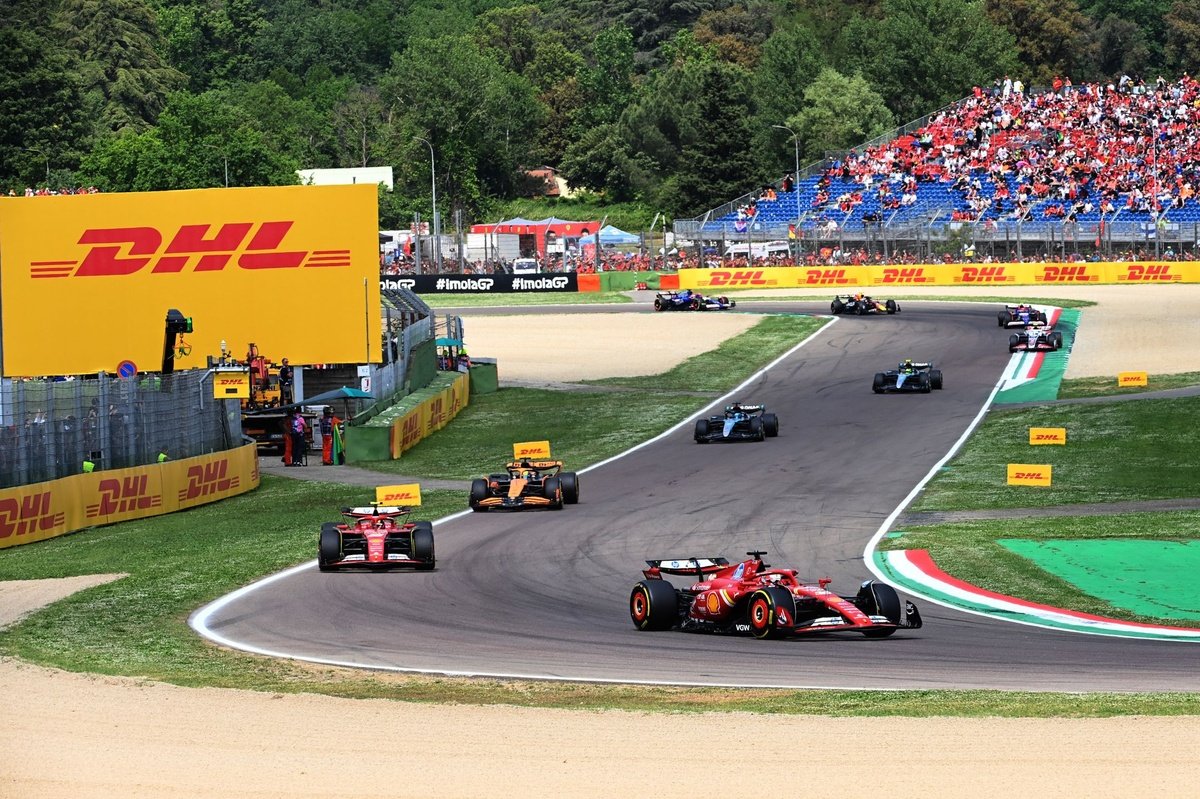
Imola, Italy – Formula 1 races at the historic Autodromo Enzo e Dino Ferrari this weekend, potentially for the last time, as the venue’s current contract is set to expire at year-end. Originally added to the F1 calendar in 1980, Imola has hosted a multitude of prestigious races, including the San Marino Grand Prix for 25 years. After a hiatus from 2007, the circuit returned during the COVID-19-affected 2020 season as the Emilia Romagna Grand Prix.
Debate surrounds Imola’s position in modern F1 due to challenges presented by larger, heavier cars that struggle on the tight, twisty track. Critics argue that the circuit lacks suitable overtaking opportunities, leading to unexciting races and prompting questions about its relevance in today’s competitive landscape.
Technical and Fan Perspectives
Paddy Lowe, a former F1 technical chief, pointed out the dichotomy between driver preferences and fan entertainment: "F1 isn’t there to entertain drivers. Drivers in F1 are to entertain us." This sentiment is echoed by various journalists, who argue that while classic tracks like Imola offer historical significance, they often do not facilitate exciting racing.
Jake Boxall-Legge noted that while Imola boasts stunning scenery and a rich motorsport heritage, its design is incompatible with modern car specifications, resulting in processional races rather than competitive battles. "Imola is a driving epic," he remarked, "but with these current boats that are only really designed for high-speed endeavors, the excitement diminishes."
Stuart Codling added that the current generation of F1 cars struggles with Imola’s layout, rendering competitive racing nearly impossible. He expressed a desire for a circuit that allows for dynamic racing rather than "toddling around in formation."
Conclusion and Future Outlook
As the F1 world turns its gaze to Imola this weekend, the question of whether to extend its contract looms larger than ever. The historical aura surrounding the circuit contrasts sharply with practical racing dynamics, leaving both fans and stakeholders pondering its fate. If Imola is replaced, it may not be long before it is a fond memory rather than a fixture in the modern F1 calendar.
The outcome of the discussions over the contract renewal will shape the future of not just the circuit but also the nature of racing in F1 itself.


