








Revolutionizing Motorsports Performance: The Blackbird 66 Mk.1
In a bold statement reflecting on the future of motorsports, Dan Gurney, a revered figure in the racing world, urged a return to simplicity: “Take the wings off, and give them an engine that sings.” These words resonate as the motorsports community examines the balance between safety, performance, and the true essence of racing.
The current landscape of motorsports is marked by the relentless pursuit of speed through data-driven engineering, often at the expense of raw, visceral competition. Gurney’s insights stress the importance of showcasing human skill, individuality, and the thrill of driving, which have become overshadowed by an overemphasis on downforce and safety protocols. The call to reduce downforce and enhance power output aims to revive the emotional connection between driver and machine.
Performance Gap Analysis
An analysis of motorsport performance reveals a widening gap between current capabilities and potential speeds due to stringent regulations that prioritize safety over raw speed. Many categories, particularly in mainstream motorsports, are experiencing heightened constraints that inhibit exploration of their full potential. For example, a comparison of current IndyCar and Formula 1 performance shows that significant upward adjustments in power and weight could yield lap time improvements while maintaining safety standards.
In terms of technical specifications, increasing an IndyCar’s power to around 850hp and reducing weight can bridge performance gaps significantly without complicating engineering requirements. Such modifications could provoke a renaissance in motorsport excitement and engagement.
Unveiling the Blackbird 66 Mk.1
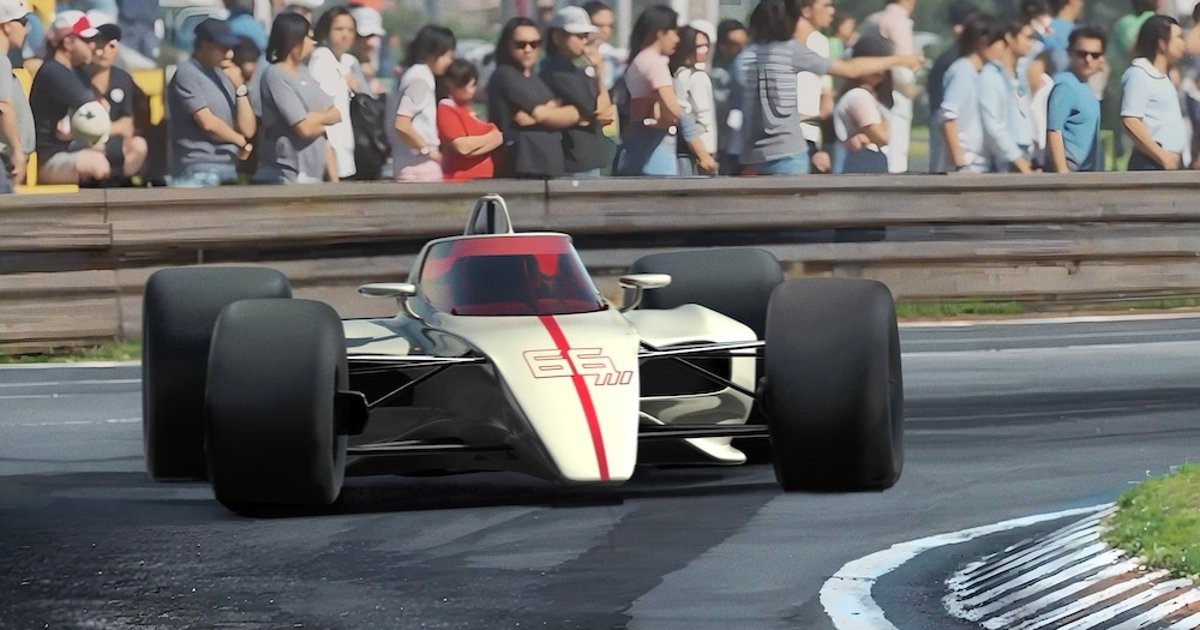
The Blackbird 66 Mk.1 is envisioned as a prototype that embodies these principles through a stripped-back approach designed to amplify the driver’s experience. This vehicle aims to eliminate driving aids, prioritize straightforward engineering, and enable robust power delivery without compromising safety. With a twin-turbo 3.5-liter V10, the Mk.1 can generate upwards of 1,250hp while allowing flexibility for varied racing environments.
Key design features include:
- Weight Reduction: Minimal downforce allows greater driver control and responsiveness.
- Driver Engagement: Designed for skilled drivers, the Mk.1 presents challenges while rewarding talent and reflex.
- Performance Specifications: Capable of biting from low RPM with responsive throttle application, it offers an exhilarating driving experience reminiscent of classic racecars.
Safety and Competition
The design philosophy of the Blackbird 66 Mk.1 also considers safety. By emphasizing mechanical grip and weight control, the prototype aims to mitigate crash energies associated with high-speed impacts. The reliance on meaningful driver skill helps maintain competitive integrity, fostering close racing and lessening the likelihood of catastrophic failures.
A Provocative Future
What lies ahead for motorsport innovation? The Blackbird 66 Mk.1 prompts critical questions about the direction of racing technology and experience. The appeal of motorsports rests not solely in speed but in engaging competition that captivates audiences. The potential for radical evolution beckons for comprehensive examination by engineers, teams, and regulators alike.
Moving forward, the motorsports community must embrace conversations about reimagined performance metrics and innovative designs that prioritize both excitement and safety. As this report highlights, the journey to rediscover the essence of racing begins with bold ideas—ideas embodied by the Blackbird 66 Mk.1.
For further exploration into this topic, visit blackbird66.com. More details on the Blackbird 66 Mk.1 can be found in the latest issue of RACER magazine.


