







IndyCar Series Adopts New Tire Strategy Ahead of Indy GP
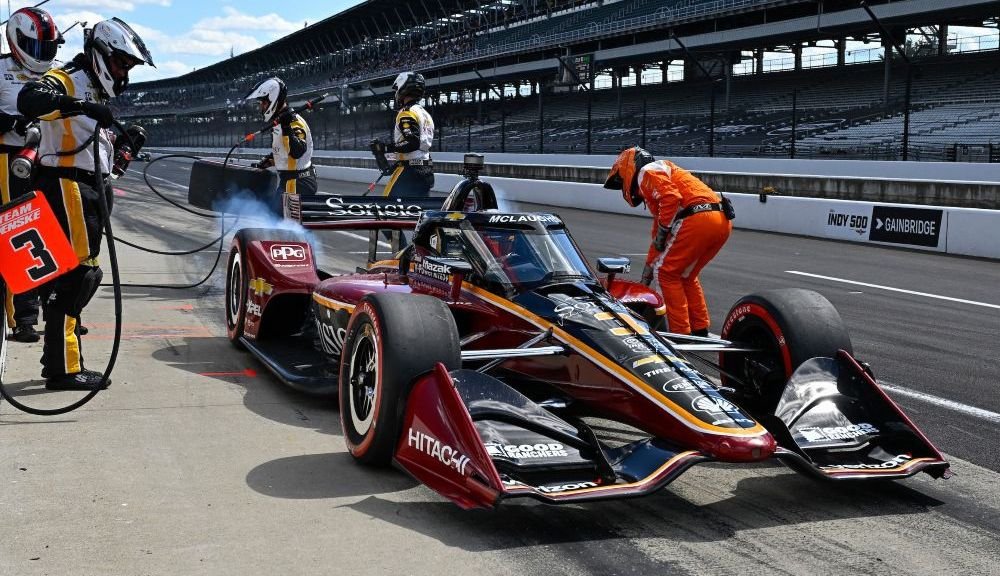
INDIANAPOLIS, IN – In an effort to enhance strategic complexity during the upcoming Sonsio Grand Prix, the IndyCar Series has mandated the use of both Firestone’s primary and alternate tire compounds, requiring each team to utilize both at least twice during the 85-lap race. This regulatory change, which effectively formalizes existing pit stop strategies, is poised to significantly influence teams’ race tactics.
Race History and Strategy: Defending champion Alex Palou of Chip Ganassi Racing employed a successful three-stop strategy to clinch victory both in the 2022 and 2023 editions of the race, a tactic mirrored by 21 other drivers last year, including the top nine finishers. This year, all teams must conform to the mandated tire usage, enforcing a minimum of three pit stops and limiting the capacity for teams to capitalize on favored tire compounds.
Strategic Implications: Team Penske’s president, Tim Cindric, highlighted the removal of strategic variables that could mislead teams during the race. “The rule takes one variable out of the mix,” he noted, emphasizing the challenges of fuel saving and tire choice during unpredictable race conditions. In previous races, such as St. Petersburg, teams often adopted a single-use strategy for the preferred alternates, completing the remainder of the race on primary tires. Under the new rule, teams will have to switch back to the less favorable compound, altering tactical approaches.
Limited Tire Sets: Compounding the complexity, the series has reduced tire allocations for the weekend from ten to nine sets. Teams must now judiciously manage their resources, with five sets of primaries and four sets of alternates available. Cindric anticipates a cautious approach during practice and qualifying, as the reduced allocation may discourage aggressive strategies, especially in the knockout qualifying rounds.
Expert Insights: Barry Wanser, Palou’s race strategist, foresees opportunities for undercut strategies if teams can avoid early chaos, particularly at Turn 1. “If it stays green at the start, it could be advantageous to pit early to gain clean air,” he explained. Meanwhile, Rob Edwards, race strategist for Colton Herta at Andretti Global, expressed cautious optimism about the new rule, asserting it may be better suited for the Indy road course than street circuits given the existing tire disparities.
Conclusion: With the introduction of the double-use tire rule, the Sonsio Grand Prix is set to present a compelling mix of strategy and analytics, requiring teams to adapt swiftly to the evolving race dynamics. As the event approaches, all eyes will be on how effectively teams navigate these changes and the impact on competition.


