







IndyCar Faces Engine Supply Challenges Ahead of 2028 Transition
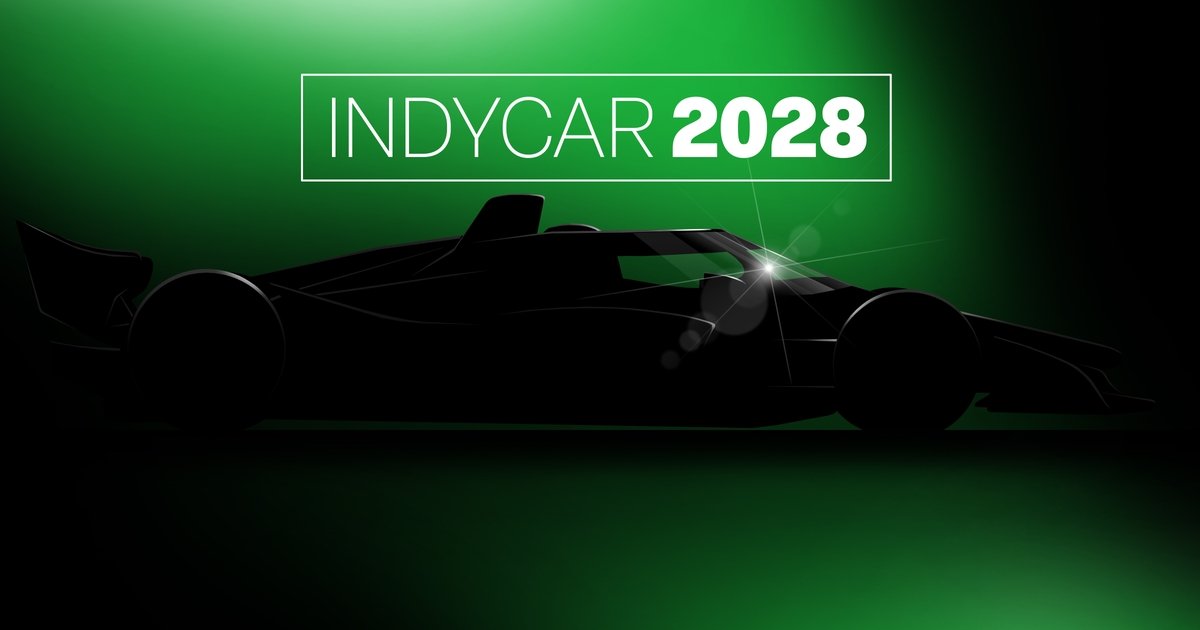
IndyCar is navigating a pivotal moment as it gears up for the introduction of a new chassis and engine formula by 2028. Following the decision to delay the rollout to 2028, the series is now confronting potential challenges related to engine supply. Current manufacturers Chevrolet and Honda, which have supplied the series with 2.2-liter turbocharged V6 engines since 2012, have contracts that expire after the 2026 season.
With the transition to a new engine formula originally slated for 2027 now pushed back a year, there is a risk of a supply void in 2027 if neither manufacturer commits to continue in the interim. IndyCar officials are actively seeking assurances from both companies to extend their contracts to include 2027 while launching the new 2.4-liter twin-turbo V6s in 2028.
Mark Sibla, IndyCar’s Senior Vice President of Competition and Operations, stated, “We hope that’s not the case, but you absolutely have to plan for everything. I can certainly tell you that we’ve done that work, and that’s in place.” The series anticipates various scenarios, including the possibility of a single supplier if either manufacturer departs. This outcome would require significant adjustments, as the remaining brand would need to support the entire field of approximately 25 to 27 full-time cars, as well as the anticipated 33 entries for the Indianapolis 500.
The cost for the IndyCar engine lease program in 2025 was capped at $1.45 million per car, with four engines expected to last a full season. Both Chevrolet and Honda have been known to subsidize these leases to meet the cost constraints; their departure could result in increased prices and fewer competitive options for teams.
If both manufacturers choose to exit, alternatives could include striking arrangements with existing suppliers like Ilmor Engineering or Honda Racing Corporation, which maintain extensive motorsport programs. Notably, Roger Penske, co-owner of IndyCar, is also linked to Ilmor, suggesting a smoother negotiation path.
Sibla reiterated, “We’ve looked at not only, let’s call that a Plan B, but even variations on a Plan B.” The urgency is palpable, as the clock is ticking for manufacturers to develop engines adhering to the new specifications and prepare for testing once Dallara delivers prototype vehicles next summer.
IndyCar remains committed to creating a compelling engine formula that can attract not only its current suppliers but potentially new entrants to the series, aiming to maintain competitive dynamics moving forward. “The formula we’ll build… is attractive to our two OEMs, and attractive to somebody else too,” Sibla concluded, emphasizing the series’ proactive approach in securing its engine supply future.


