









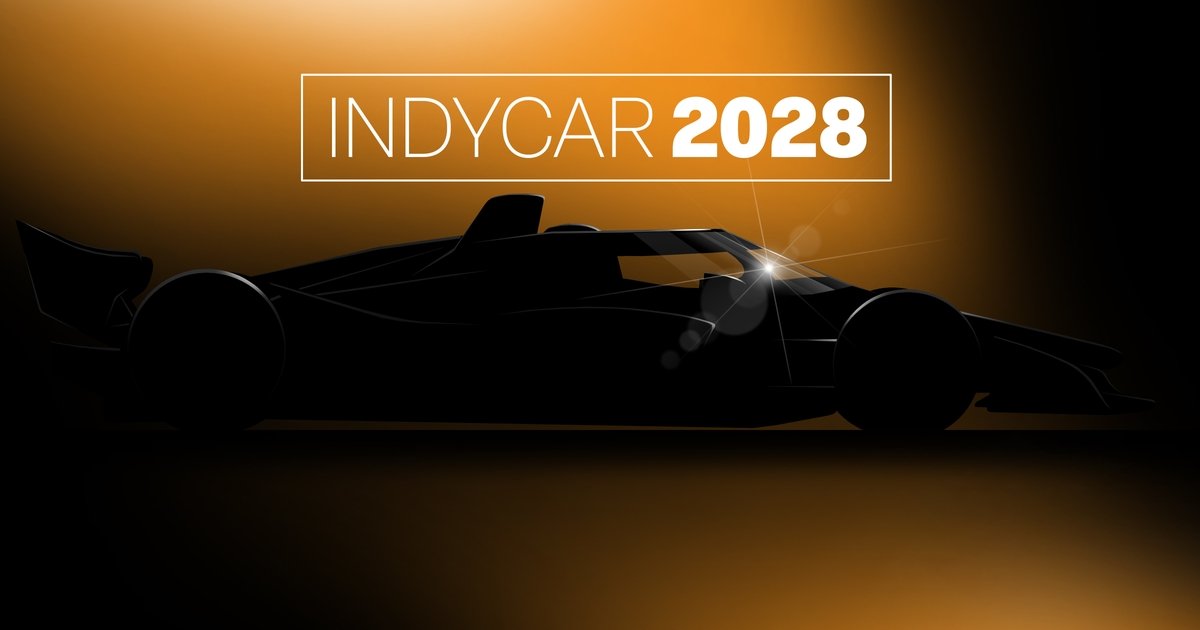
IndyCar Unveils Details of the Upcoming IR28 Chassis Ahead of 2028 Season
As the IndyCar Series prepares for its next evolution, key developments emerged from an in-depth multi-part feature by Marshall Pruett of RACER. The new chassis, dubbed the IR28, is set to debut in 2028, succeeding the 2012 DW12 model.
Chassis Overview and Development Goals
IndyCar CEO Mark Miles highlighted three primary objectives for the IR28: enhanced styling, increased safety, and improved racing dynamics. “Safety and raceability are the key priorities,” Miles noted, emphasizing that while cost considerations will be factored in, maximizing overall performance is paramount.
Joint efforts by Dallara and IndyCar are focused on delivering a chassis that will feature more power, a lighter frame, and a larger hybrid component. The design, which aims to maintain the essence of the DW12 while enhancing its abilities, is set to be revealed to team owners soon, with public images expected in 2024.
Project Leadership and Design Team
The initiative is led by an oversight team consisting of Mark Miles, Penske Automotive COO Rich Shearing, IndyCar President Doug Boles, and Mark Sibla, Senior VP of Competition and Operations. Decisions impacting design scope, including significant input from Roger Penske, will shape the IR28’s development.
Design Insights and Technical Specifications
Dallara’s technical director, Aldo Costa, is spearheading the design, aiming for improvements in safety, raceability, and aesthetics. Ongoing feedback from team owners indicated initial dissatisfaction with the design aesthetics, prompting a redesign effort that may involve automotive designer Chris Beatty.
The IR28 will represent a comprehensive new build, with only limited components retained from the DW12, primarily for cost considerations. Sibla confirmed, “This is a new car,” while outlining that certain suspension components may carry over.
Further improvements will include expanding the dimensions of the safety tub to accommodate taller drivers, addressing past cockpit confinement issues.
Key Performance Metrics
In terms of performance, the IR28 is projected to be 80-100 lbs lighter than the DW12, which presently weighs around 1785 lbs. The hybrid system will integrate a new arrangement of supercapacitors to optimize energy storage and distribution.
The car will maintain similar aerodynamic dimensions but will feature a design that offers a “lower, wider feel.” Anticipations for downforce levels show similarities to current figures, avoiding previous higher peaks achieved with manufacturer-specific bodywork.
System Enhancements
- Transmission: IndyCar has opted for a new lighter 6-speed gearbox developed by Xtrac, expected to save 20-25 lbs. This decision balances performance demands with cost efficiency, steering the series towards reduced operational costs for teams.
- Aerodynamics: The IR28 will benefit from new aero data, especially targeting improved overtaking capabilities in turbulent conditions. Major updates will freeze current aero configurations to limit complexities while maintaining race equity.
- Braking System: A new smaller rear brake caliper is under development, coinciding with the increasing role of hybrid assistance in deceleration.
Upcoming Developments
Further announcements regarding the IR28 are anticipated in the coming months, including advancements in wheel designs and components tailored for enhanced safety and performance. With a target price set between $800,000 and $1 million per chassis, the economic impact on teams remains a pivotal point of focus as the rollout nears.
The IR28 marks a critical advancement in IndyCar’s commitment to innovation, safety, and elevated racing experiences ahead of the 2028 season.


