









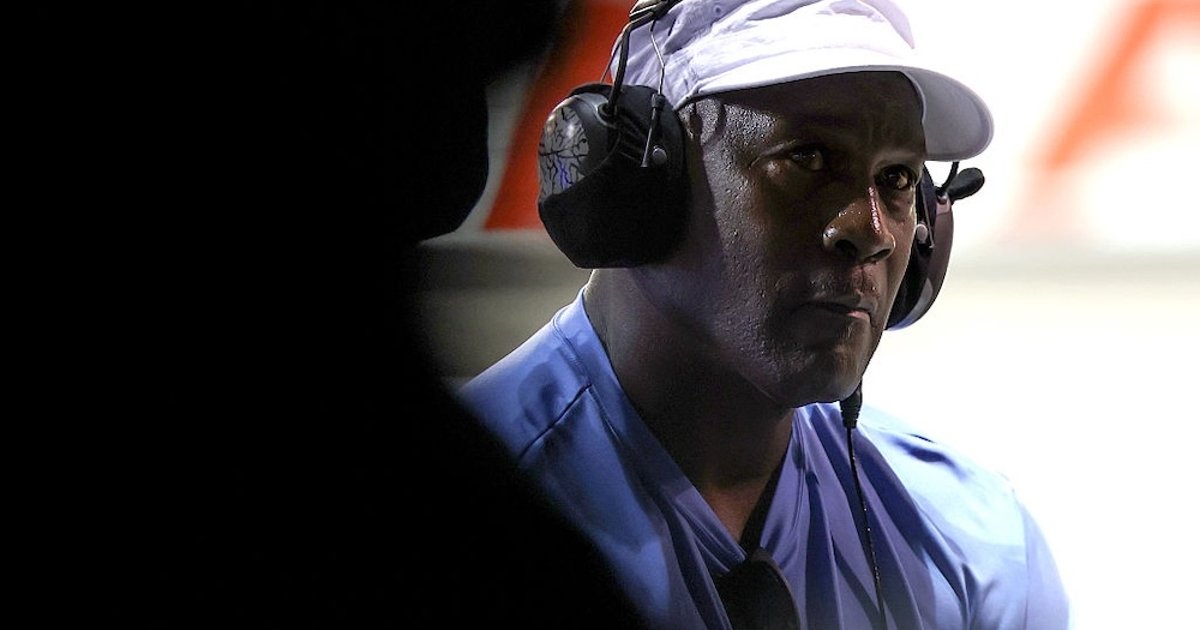
Michael Jordan Takes Legal Stand Against NASCAR Over Charter Agreement
In a landmark legal case unfolding in North Carolina federal court, Michael Jordan, co-owner of 23XI Racing, has initiated an antitrust lawsuit against NASCAR, citing unfair economic practices within the sport. Jordan’s testimony on Friday highlighted his concerns about the charter agreement set to commence in 2025, which he and fellow team owner Front Row Motorsports chose not to sign.
Key Insights from the Case:
-
Background of the Lawsuit: The lawsuit, filed in early October 2024, asserts that NASCAR operates as a monopoly, utilizing its power to impose anticompetitive practices detrimental to race teams. U.S. District Judge Kenneth Bell had previously ruled on NASCAR’s monopoly status.
-
Financial Stakes: Jordan disclosed an investment of approximately $35-40 million into 23XI Racing. He emphasized the necessity for a fairer economic model that fosters growth and unity among teams, stating, “The thing I’m hoping for is you create more of a partnership between two entities.”
-
Concerns Over the Charter Agreement: Key reasons for the decision not to sign the charter included economic viability concerns, restrictive clauses about legal action against NASCAR, and the lack of governance input from teams. Jordan expressed that the agreement posed unfair economic burdens on teams and limited their operational autonomy.
-
Testimony Highlights: During his testimony, Jordan remarked, “Someone had to step forward…I wasn’t afraid.” He underscored the need for collaborative growth within the sport, drawing parallels to partnerships in traditional team sports.
Additional Testimonies:
-
The court proceedings also featured Steve O’Donnell, NASCAR’s president, and Heather Gibbs, co-owner of Joe Gibbs Racing. Gibbs echoed concerns about the financial pressures on teams, emphasizing the lack of outside income and the significant impact of the charter agreement deadline imposed by NASCAR.
-
Gibbs described the aftermath of NASCAR’s comments on team spending as troubling, leading her to draft a critical letter to NASCAR executives, advocating for more favorable terms in governance, specifically the inclusion of permanent charters.
Conclusion
The ongoing litigation reflects deep-rooted frustrations within the NASCAR community regarding economic practices and governance structures. As the case progresses, it may reshape the competitive landscape of the sport, offering broader implications for revenue sharing and team stability in NASCAR.


