







Innovative Camera Technology Elevates Motorsports Filmmaking
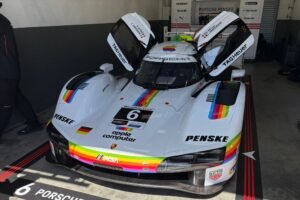
In a groundbreaking move for motorsports cinematography, director Erich Joiner has transformed traditional camera car operations by converting a retired LMP1 Le Mans vehicle into a high-speed filming platform. This innovative solution addressed a persistent issue where conventional camera cars, limited to speeds of 80-90 mph, failed to capture the true essence of on-track racing.
“I always got frustrated when Honda would ask me to shoot something,” Joiner stated. His experience shooting promos for major brands validated the need for faster capabilities, highlighting the disparity between the filmed image and the high-speed action of NASCAR and IndyCar.
To rectify this, Joiner acquired an LMP1 car, capable of reaching speeds upwards of 235 mph. Utilizing this advanced platform has allowed for unprecedented filming opportunities. “The first time we rolled out this LMP1 car at Charlotte, NASCAR legends like Dale Earnhardt Jr. and Tony Stewart were stunned,” he recalled. “Junior even told his crew chief that our camera car could outpace their NASCARs.”
Joiner emphasized the importance of authenticity in motorsports visuals, recounting a memorable session with Mario Andretti where the racing great requested, “Can you slow down my camera car?” This revelation underscored the realistic representation of speed that Joiner aims to capture in his work.
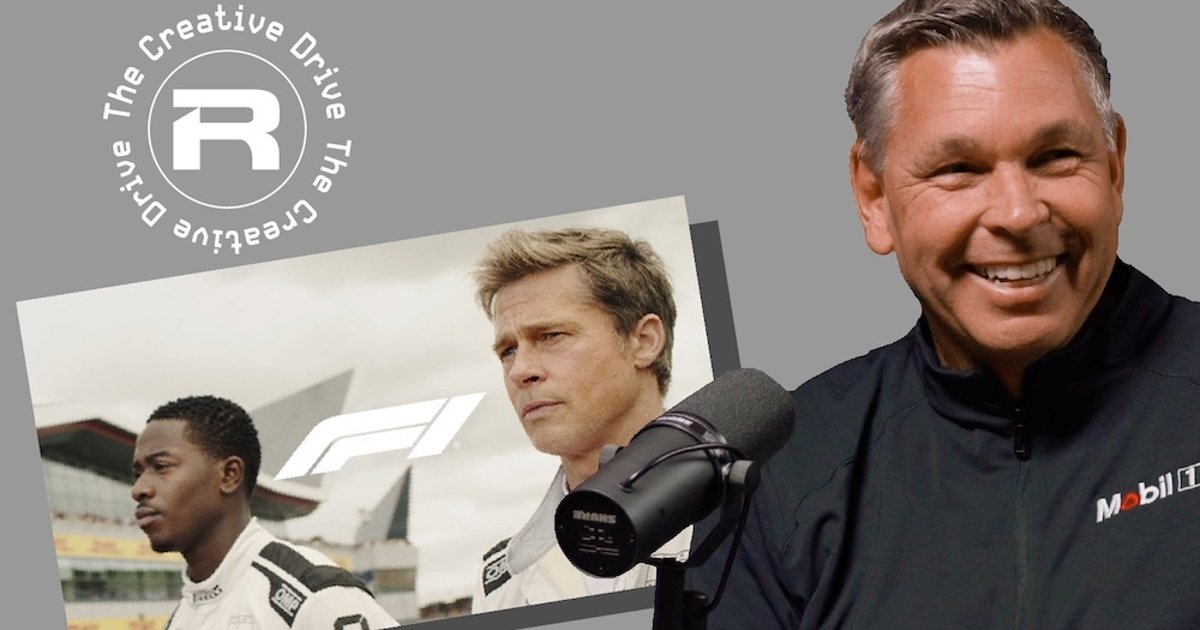
Joiner’s innovative techniques have not gone unnoticed in the industry. His recent projects include collaborating with Brad Pitt and Lewis Hamilton on a new Formula 1 film, recorded during live races at prestigious venues such as Silverstone and Daytona. This venture aimed not only for cinematic excellence but also authenticity, operating under tight FIA regulations amidst massive fan attendance.
Joiner’s journey from directing commercials to creating an award-winning global coffee brand illustrates his diverse talents and creative vision. His latest work exemplifies a commitment to authenticity and innovation, pushing the boundaries of motorsports filmmaking.
For those invested in filmmaking, motorsports, or the intersection of both, Joiner’s pioneering efforts mark a significant evolution in how racing is portrayed on screen.


