


Preparations Intensify for Radical 2026 Formula 1 Rule Changes
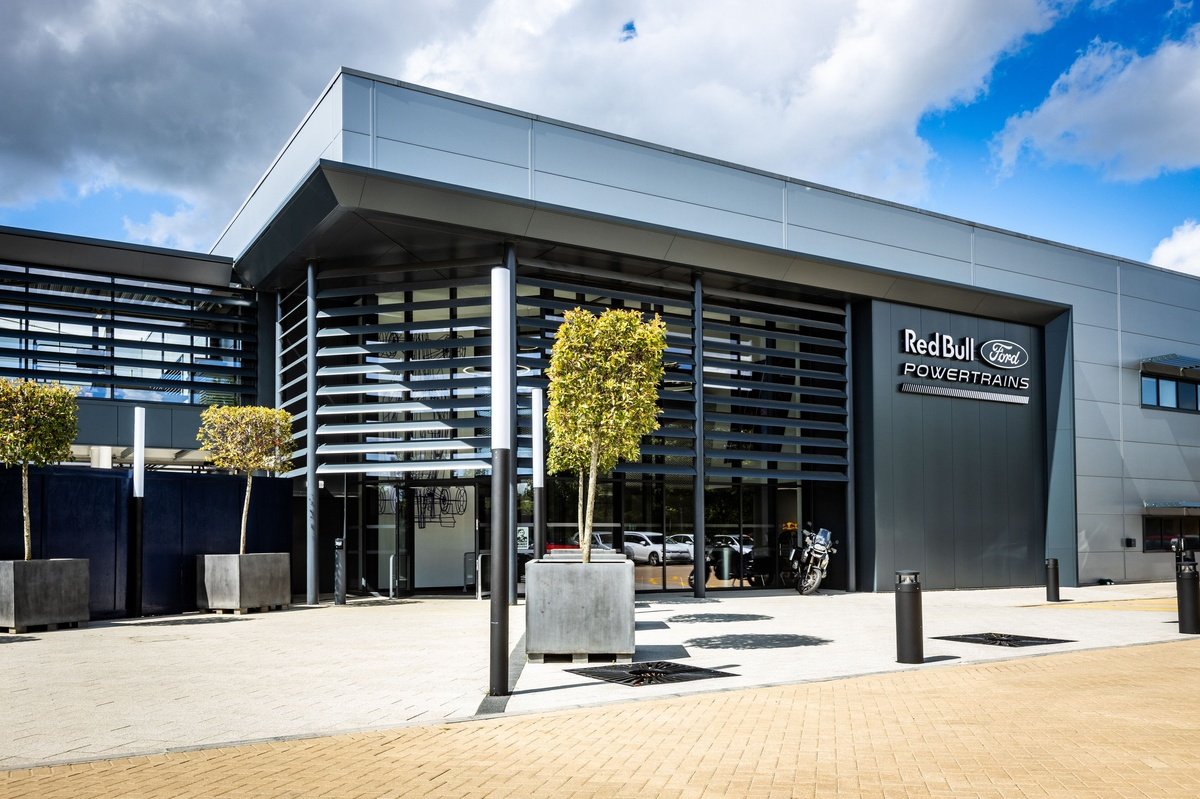
As the 2025 Formula 1 season unfolds, significant attention is already shifting towards the 2026 regulations, which will overhaul both the engine and chassis specifications—a pivotal moment for all teams, particularly Red Bull Racing. Christian Horner’s team is set to transition from Honda power units to its own Red Bull Powertrains, in partnership with Ford. This strategic pivot signifies a newfound autonomy in engine development.
Mark Rushbrook, Global Director of Ford Performance, noted that while most milestones leading to the 2026 engine implementation are on track, achieving all objectives simultaneously is “impossible.” The forthcoming changes are designed to encourage closer competition and curb the risk of long-term dominance, echoing the concerns surrounding Mercedes’ era of control.
Key Concerns: Competitiveness and Racing Quality
The paddock remains divided on two principal issues: whether the new regulations will create wider performance gaps and if they can still yield compelling races, given the introduction of active aerodynamics and increased electrical power.
Rushbrook emphasized the importance of balancing performance and competitive fairness: “Anytime there are new rules… there is a known risk for the sport that teams may come in at different levels.” Continuous discussions are ongoing about implementing concessions for manufacturers who may struggle with the new framework, underpinning the governing body’s intent to foster an equitable environment.
Adjustments to Enhance Entertainment Value
In response to worries regarding race quality, Horner suggested modifying energy deployment strategies during specific races to combat lift-and-coast behavior—an undesirable trend for both participants and spectators. “We need to ask ourselves: What does this mean for the racing and for the show we provide?” Rushbrook stated, highlighting the need for a collaborative approach among teams to ensure engaging competition.
Despite some speculation about canceling the 2026 regulations, Rushbrook confirmed this narrative was off the table. He remarked, “Everyone agreed that 2026 is very important, so now we just have to deliver together.”
Future Engine Specifications: V8 vs. V10
Looking further ahead to 2031, the dialogue includes a potential return to V8 or V10 configurations, yet electrification will remain mandatory in future engine designs according to the FIA. Rushbrook stated that while the integration of internal combustion engines and electric components needs to find an optimal ratio, Ford is committed to ensuring it maintains relevance in motorsport.
“The health of the sport, technical regulations, and the opportunity for tech transfer are all important to us,” Rushbrook concluded, underlining Ford’s long-term strategy within Formula 1.
Conclusion
With substantial investments in engine technology and new partnerships, the direction for Red Bull and Ford signals a robust commitment to the future of Formula 1. The forthcoming regulations are not just about performance; they represent a foundational shift aimed at preserving competitive integrity and enhancing the sport’s overall spectacle.
