


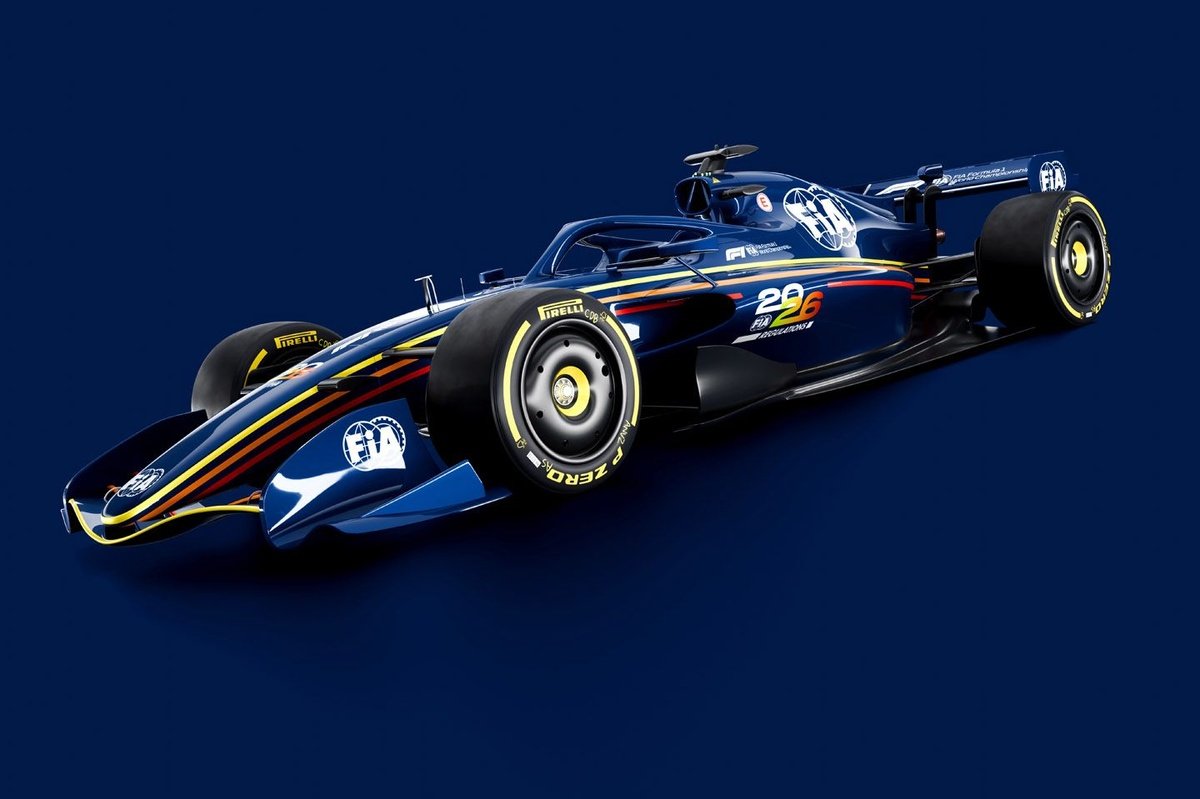
New Perspectives on F1’s 2026 Regulations from Adrian Newey
Aston Martin Racing’s managing technical partner, Adrian Newey, has expressed optimism regarding the innovative potential of Formula 1’s 2026 regulations. Newly appointed at Aston Martin after leaving Red Bull, Newey is focused on guiding the team to become a leading contender as this significant ruleset unfolds.
The 2026 guidelines introduce a shift toward smaller, lighter cars, moving away from a heavy reliance on ground effect. New active aerodynamic components are set to reduce drag during straights while maintaining sufficient downforce in corners, presenting a fresh challenge to design engineers across the grid.
In comparing the upcoming changes to the major overhaul of 2022, Newey noted that while the initial perception may suggest stringent regulations, deeper analysis indicates substantial room for creative engineering. He stated, “Initially thinking the regulations were so prescriptive that there wasn’t much left for a designer, but then you realize there’s more flexibility for innovation than first meets the eye." This flexibility could lead to diverse design philosophies, reminiscent of the early 2022 season when teams adopted varied approaches before converging over time.
Newey highlighted, "There’s a high probability that in ’26 we’ll see something similar to ’22. There’s enough flexibility… and I’m sure people will come up with different solutions." However, he acknowledged the inherent uncertainties, noting that simultaneous new chassis and power unit regulations present a “slightly scary” dimension, particularly regarding how teams will adapt to the most competitive grid yet.
The emphasis on precision in weight management has been identified as a significant differentiator among teams, alongside advancements in aerodynamics and engine performance. Newey remarked on the concurrent overhaul of both chassis and power unit rules as unprecedented, suggesting it will lead to initial performance disparities among teams, akin to the variations seen when hybrid regulations were introduced in 2014.
Despite the challenges, Newey expressed confidence in Aston Martin’s partnership with Honda for the 2026 power units, stating, “I’ve got a lot of trust in Honda and a huge amount of respect for them… they’re a great group of engineers and very much an engineering-led company.”
As the motorsport world anticipates the drastic regulatory shift, Newey’s insights indicate a landscape rich with potential innovation and variability, setting the stage for an exhilarating new chapter in Formula 1.
