


Monaco Grand Prix: Strategies, Tyre Management, and the Search for Overtaking
The Monaco Grand Prix, held on its famously narrow streets, has long been criticized for its limited on-track overtaking. The last significant lead change not attributed to pit strategies occurred in 1985 when Michele Alboreto surpassed Alain Prost at Sainte Devote. The previous year’s race saw a red flag incident allow car-wide changes that resulted in a predictable race order dominated by tyre management.
Oscar Piastri, who finished second behind Charles Leclerc, remarked, “I think at one point we were going slower than Formula 2.” This sentiment reflects the widespread reluctance among drivers to risk additional pit stops and lose valuable track positioning, leading to a largely uneventful race.
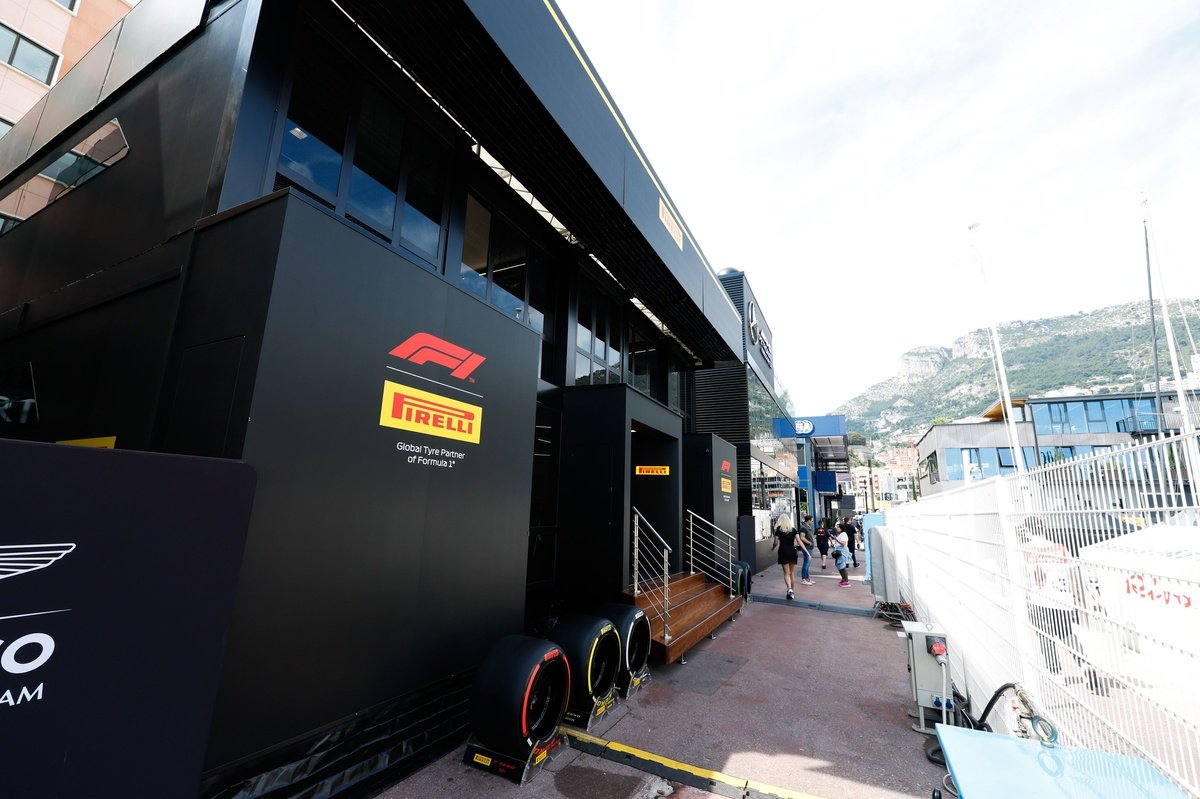
In a bid to enhance competition, the FIA has mandated the use of at least three tyre compounds during the race, effectively enforcing a two-stop strategy. However, concerns remain that this rule may only serve as a temporary fix and not lead to genuine strategic diversity. Pirelli hopes the recent introduction of the C6 tyre, designed for street circuits, will create more significant performance differentials, hypothetically compelling teams to employ varied pit strategies.
Mario Isola, Pirelli’s motorsport boss, stated, “Teams always find a way to apply a strategy on one stop… We are trying to push them to have a two-stop strategy because it’s better, it’s more action, more unpredictability, and better races.” However, with current tyres being similar in performance, drivers often opt for single-stop strategies.
The C6 tyre aims to provide harsher performance spread and is set to be evaluated in key circuits like Canada and Singapore. Its debut at Imola yielded promising data; however, challenges remain. It was observed that the C6 experiences a rapid performance peak, leading to struggles at circuits with high-speed corners, necessitating continuous data collection to assess its viability.
Isola concluded, “We need to understand if with this system we encourage some of them to move to a soft-medium choice for the race.” With strategic choices expected to evolve, the upcoming races present opportunities for genuine competition as teams adapt to the new regulations and tyre compounds.
The ongoing developments signal a pivotal moment in Formula 1, one where enhanced strategies could potentially revitalize overtaking and competitive racing at traditionally challenging circuits like Monaco.
