


Monaco Grand Prix: Strategic Moves and Team Dynamics Underscore Race Outcome
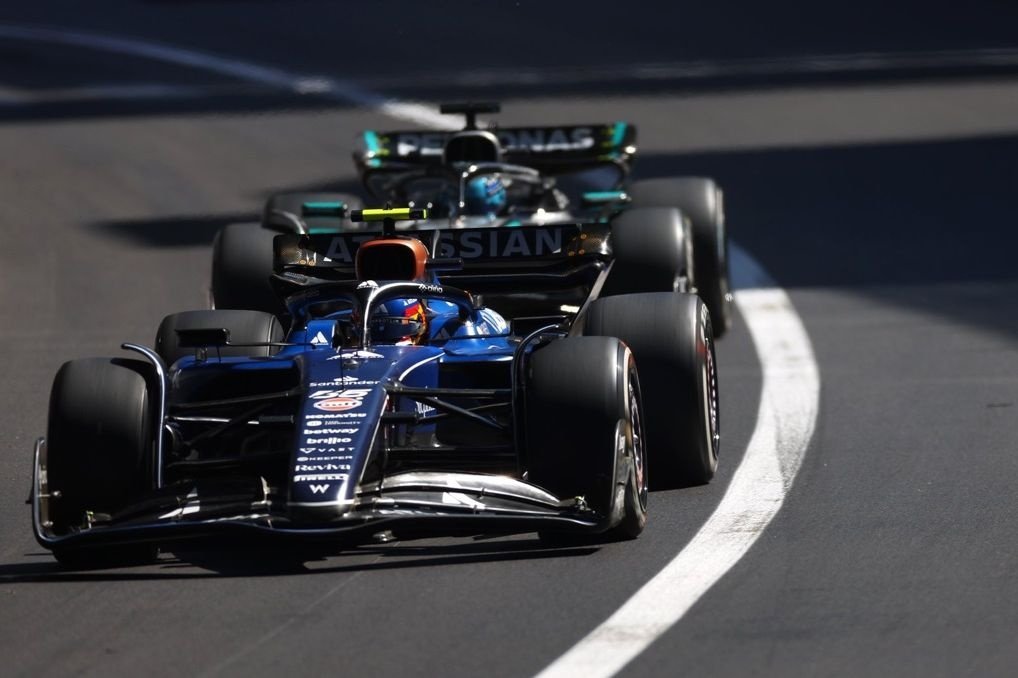
In a dramatic Monaco Grand Prix, strategic maneuvers determined the outcomes for several teams, particularly Mercedes and Williams. Mercedes team principal Toto Wolff revealed insights from his post-race communications with Williams’ James Vowles, who issued an apology after his drivers used a backing strategy that benefited them during the race. This unique approach contributed to a successful outing for Williams, marking their fourth consecutive double-points finish with Alexander Albon and Carlos Sainz finishing ninth and tenth, respectively.
The race introduced a mandated two-stop strategy for all teams, leading to mixed tactics and varied performances. Williams’ strategy allowed them to effectively manage their pit stops, creating an opening for Albon to increase his lead in the points standings. Wolff noted that their communication during the race highlighted the intensity of the situation, with Vowles admitting that the decisions made were in response to pressure on the track.
"It was two cars in the points; given the circumstances, they had no choice," Wolff stated, recognizing Vowles’ adept handling of team strategies since taking over at Williams. Vowles acknowledged that the employed tactics were not the approach he typically endorses, yet they were necessary to secure a solid result under competitive conditions.
Mercedes faced significant challenges during the race. George Russell experienced an electrical failure in qualifying, forcing him to start from 14th. His race was further complicated after he incurred a drive-through penalty for skipping the Nouvelle Chicane while overtaking Albon, a move that underscored the competitive tension among the teams.
Wolff reflected on the broader strategic implications, indicating that external pressures from rival teams impacted their performance. “We had a fast car, but we fell victim to our Saturday misfortunes,” he said, adding, “It’s clear that Monaco requires adaptable strategies; we might need further adjustments to enhance race dynamics here.”
The Monaco Grand Prix showcased the critical impact of strategy and team communication in Formula 1 racing, with both Williams’ resurgence and Mercedes’ challenges serving as key narratives in this season’s unfolding drama. As the season progresses, teams will need to refine their approaches to contend with evolving track conditions and competitive pressures.
