


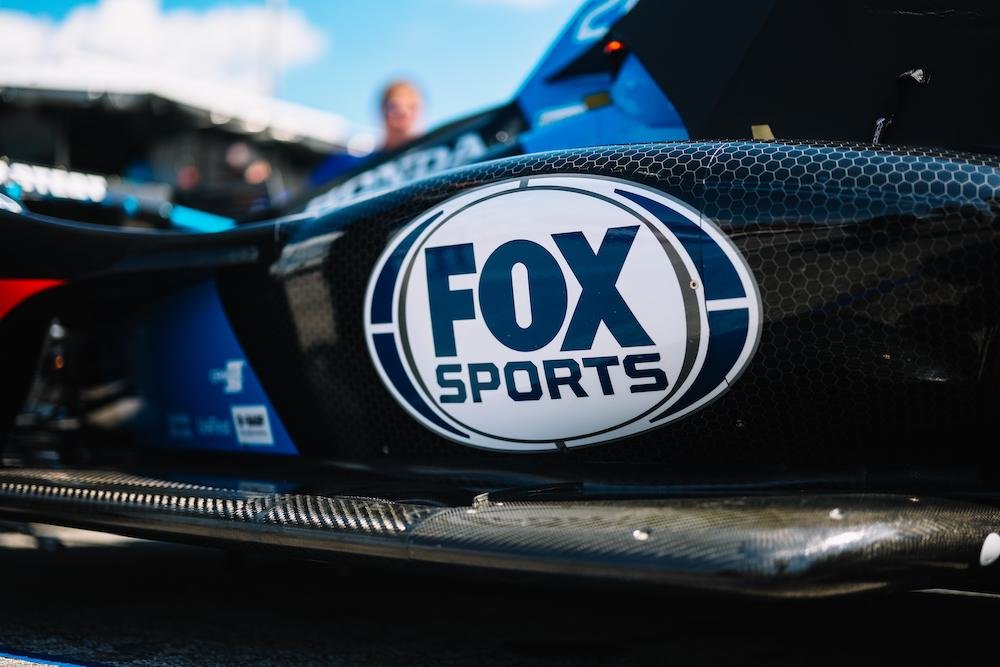
IndyCar Enters New Era with Fox Corporation Partnership
In a groundbreaking move, Roger Penske has relinquished a one-third ownership stake in the IndyCar Series to Fox Corporation for an estimated $130 million, marking a significant shift in the series’ marketing and promotional strategy. This partnership aims to enhance IndyCar’s visibility and competitiveness within the motorsports landscape, an area where it has historically struggled.
Strategic Partnership with Fox Corporation
Penske’s partnership with Fox, which adds considerable marketing expertise to the previously under-resourced series, positions IndyCar for growth. Fox’s commitment as co-owner—alongside Penske’s existing 66% control—offers a fresh avenue to reach broader audiences and transform IndyCar’s longstanding status as “racing’s best-kept secret.” Penske has stated, “This is about improving the sport and raceway I love for years to come,” underlining the significance of this arrangement.
Contextualizing the Deal
This unique model, with a media partner taking an equity stake, contrasts sharply with other major U.S. sports leagues, like the NFL and NBA, which do not share ownership with broadcasters. Instead, they rely on extensive media rights deals without shared equity. Penske’s initial acquisition of IndyCar in 2020 provided stability during the COVID-19 pandemic, but the need for enhanced marketing has been a consistent challenge.
Implications for IndyCar’s Future
The strategic alliance empowers Penske Entertainment to innovate its approach to event promotion. Fox’s involvement is expected to reshape IndyCar’s scheduling, moving away from traditional weekend races to potentially more engaging broadcast times. Such a shift could attract new fans and differentiate the series from competitors like NASCAR and Formula 1.
Potential Changes in Event Promotion
Fox Corporation’s influence is anticipated to manifest in both the promotional aspect and the types of events organized. Given Penske’s extensive portfolio of events—including the Indianapolis 500 and the newly acquired Detroit Grand Prix—there is an interest in developing more urban-themed, festival-like street races designed to capture younger audiences. Historical parallels recall successful ventures from the CART era, when street races contributed significantly to a broader fan base.
Conclusion
The partnership with Fox Corporation represents a transformative opportunity for IndyCar. While it is not a panacea, it is a pivotal step towards revitalizing the series and increasing its market presence in a competitive sports landscape. As this relationship unfolds, the potential for strategic innovations and substantive growth becomes increasingly promising for the future of IndyCar racing.
