


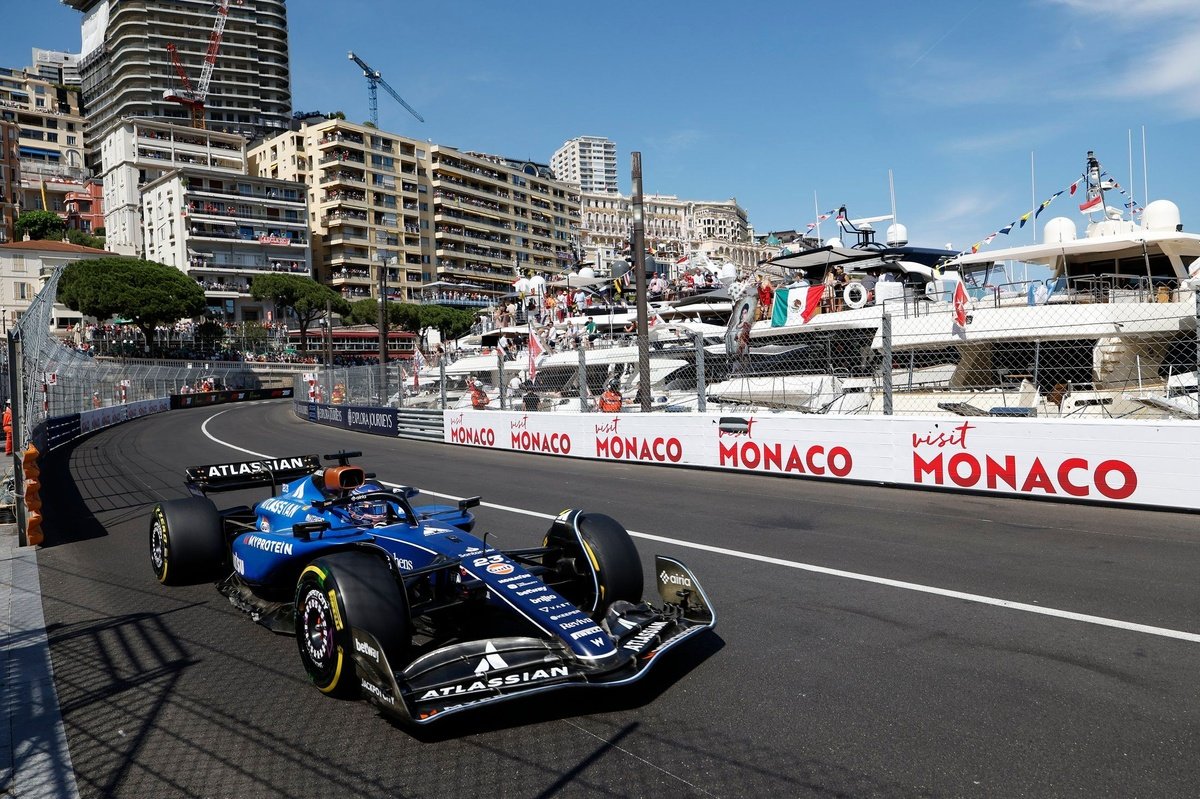
Monaco Grand Prix: Calls for Circuit Modifications Rise After Strategy Changes Fail
The Monaco Grand Prix, a cornerstone of Formula 1 racing, faces renewed scrutiny over its circuit layout following the 2025 race, which saw a compulsory tire change strategy fail to achieve the desired excitement. F1 CEO Stefano Domenicali acknowledged the constraints posed by the narrow streets of Monaco, stating, "We know that the width of the city is [what it is], and the cars are quite big."
Calls for modifications to enhance overtaking opportunities have emerged, particularly as modern F1 cars struggle with limited passing zones. Former driver Alex Wurz, now chairman of the Grand Prix Drivers’ Association, has proposed three targeted adjustments aimed at revitalizing the iconic circuit.
Proposed Changes
-
La Rascasse Adjustment: Wurz suggests moving the apex of La Rascasse by two to three meters and widening the circuit boundary on the approach. This modification aims to facilitate overtaking attempts, creating a scenario where the driver ahead must either defend their position or risk leaving a gap.
-
Hairpin Widening: An expanded entry to the famous hairpin could promote more aggressive overtaking maneuvers, as it would force drivers to choose between a defensive line and a faster approach. Wurz highlighted that this change intends to prevent bottleneck scenarios, which have plagued races in the past.
- Nouvelle Chicane Relocation: The most ambitious proposal involves shifting the Nouvelle Chicane 80 meters towards Tabac. This adjustment would open up the entry, making it easier for drivers to overtake as they exit the tunnel—currently a challenging section that often bottlenecks racing.
Engineering Challenges
While these changes have merit, they pose significant civil engineering challenges. Wurz noted the logistical complexities of widening existing structures, particularly in areas where pedestrian pathways and private property back onto the circuit.
“Moving the chicane later should be possible, just as past civil operations have demonstrated,” Wurz stated confidently. However, alterations would necessitate careful consideration of both the sporting and safety aspects of the layout.
Conclusion
As Monaco continues to adapt to the evolving demands of F1, the proposed changes by Wurz represent a proactive measure to enhance competitiveness without compromising the track’s historic character. As discussions unfold, the racing community awaits the potential for a more dynamic spectacle at one of the sport’s most prestigious venues.
