


Monaco Grand Prix: A Study in Precision and Commitment on Street Circuits
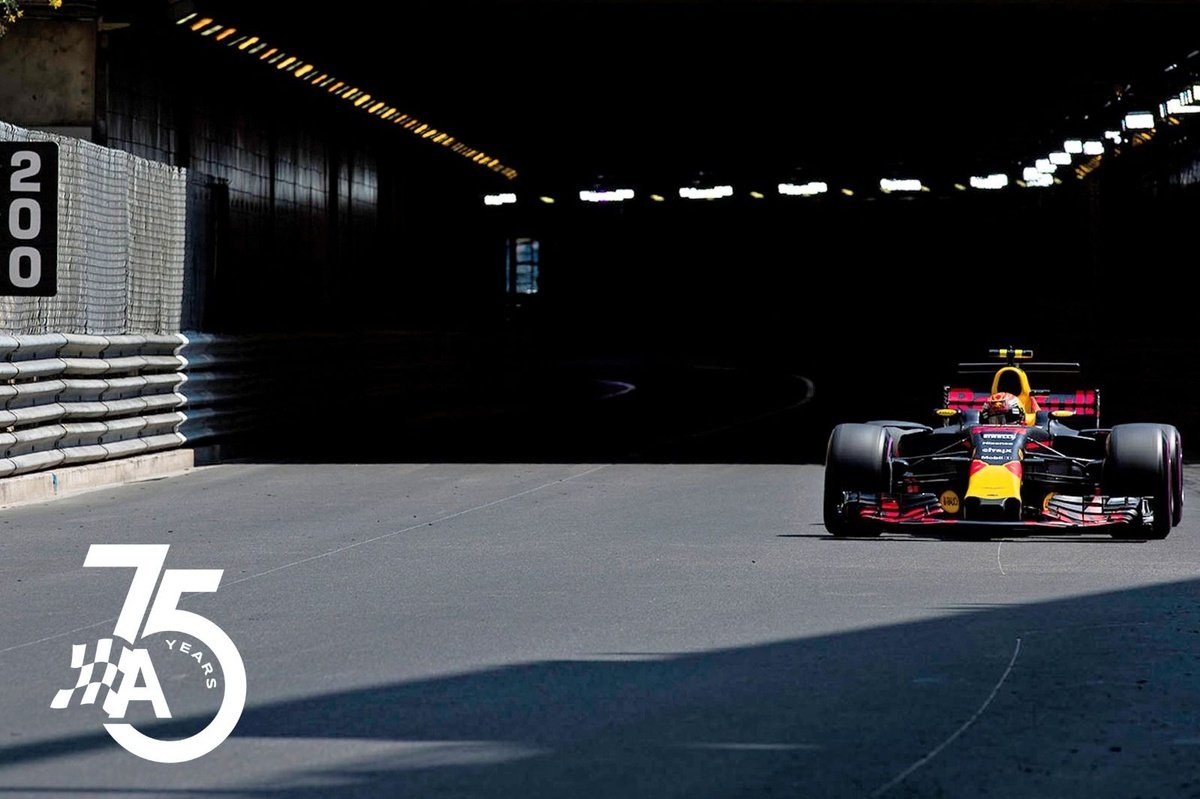
As the 75th edition of the Monaco Grand Prix approaches, the challenge presented by this iconic street circuit is under the spotlight. Renowned for its narrow confines and unforgiving barriers, Monaco remains a distinctive test of skill in Formula 1, especially in contrast to modern circuits with ample run-off areas.
Max Verstappen of Red Bull emphasizes the psychological shift required for street racing: “On a normal track, even when you go wide it’s fine – you can run off. On a street circuit, that’s not possible, so you build it up easier. It’s just about feeling the grip, because you are always sliding.”
The precision needed for success on street circuits is corroborated by former IndyCar champion Dario Franchitti, who enjoyed many victories on such tracks. “Finding the limit is harder than on a conventional track. You have to commit to corners without seeing the exits," he notes, highlighting the specific demands that street circuits impose, including unexpected surface changes that affect grip levels.
Franchitti recalls an incident at Surfers Paradise where he discovered he could push the limits of braking deeper than initially thought, illustrating the experiential learning that comes with racing in these challenging environments. He adds, “Two corners could have identical geometries, but because of the surface changes and bumps, they completely change how they drive."
Mario Andretti, the 1978 F1 World Champion, shares a similar sentiment: “You needed to have a very controlled aggression. The trick is to use every inch [of the track] and be bold—not afraid of the walls.”
The engineering challenges on these circuits are also notable. Former McLaren head of vehicle engineering, Mark Williams, recounts his experiences with bumpy surfaces: “At Birmingham, the Tarmac wasn’t laid for racing lines, putting significant strain on suspension components."
Sir Jackie Stewart, three-time F1 World Champion, reflects on the historic challenges of Monaco: “In the 1960s and 70s, there were no run-off areas on most tracks, so the penalties for errors were severe. I won Monaco with no rear brakes, which suggests it may not be the ultimate test of skill some believe it to be.”
Despite ongoing debates about the complexity and prestige of street races, the spectacle they provide is undeniable. Spectators enjoy close-up views of the action, amplifying the excitement that comes with the inherent risks of racing close to walls. Franchitti summarizes: "I always feel that street-course racing is an event. The whole city or town gets into it, making it more than just a race."
With the Monaco Grand Prix on the horizon, the spotlight is set to shine on the unique interplay of skill, confidence, and engineering as drivers prepare to navigate one of motorsport’s most formidable challenges.
