

Renault’s Luca de Meo Steps Down: Implications for Alpine F1 Team
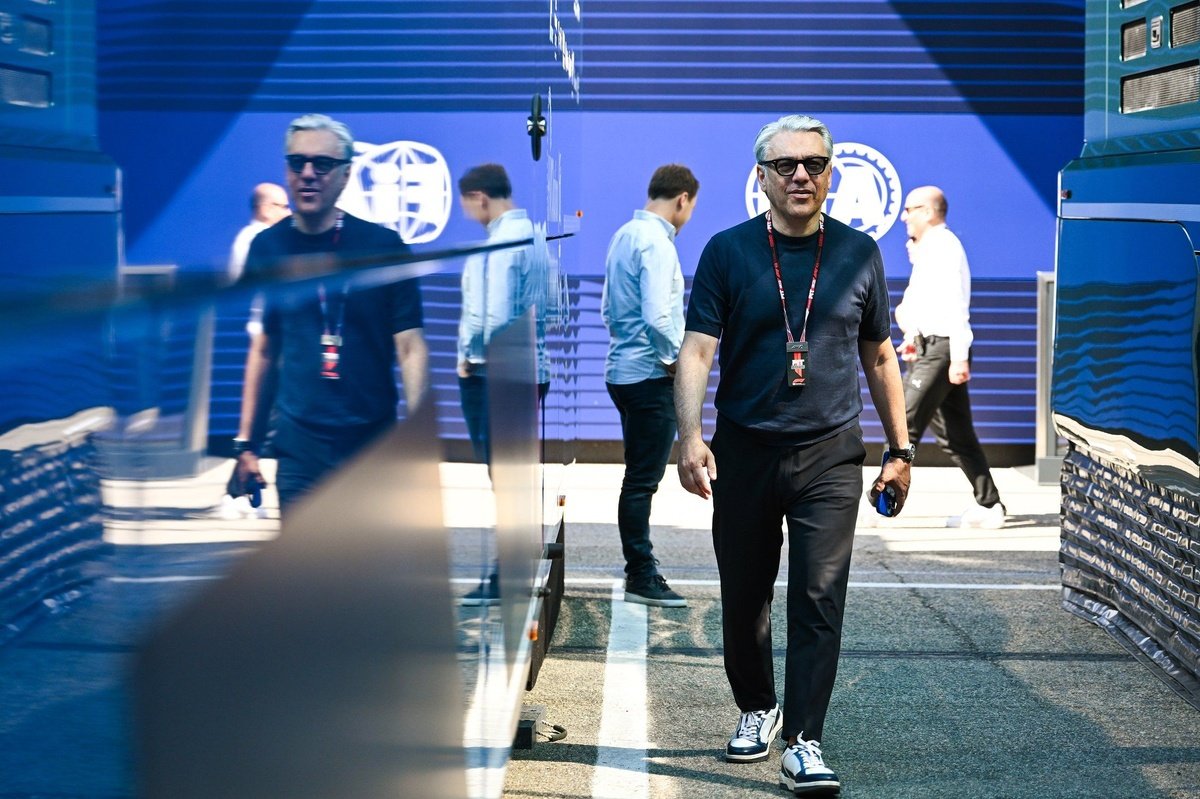
In a significant shift for the Renault Group, CEO Luca de Meo has announced his departure to lead Kering, the high-profile luxury goods company. De Meo, who orchestrated a dramatic turnaround at Renault, transforming a €7.3 billion loss into a €4.26 billion profit, leaves behind questions about the future of the Alpine F1 team and the strategic direction of the company as a whole.
De Meo, who had previously revived the Fiat 500 and driven the "Renaulution" initiative, made a lasting impact on Renault by boosting product appeal and reinstating critical models, notably the Renault 5 electric vehicle. However, his tenure also saw complications within the management structure of Alpine F1, newly branded under his leadership.
After rebranding the F1 team as Alpine, de Meo dismissed team principal Cyril Abiteboul. His appointment of Davide Brivio, previously a MotoGP star, to run the team did not stabilize matters, further complicated by the presence of Laurent Rossi, CEO of Alpine Cars, who faced backlash for his handling of team dynamics and lost key consultants like Alain Prost.
The friction came to a head with the hiring of Flavio Briatore as executive advisor, signaling de Meo’s last attempt to revive the F1 team before potential sale. Briatore’s arrival and the decision to transition Alpine to a Mercedes engine beginning in 2026 were controversial, with de Meo justifying the move based on financial rationality despite pushback from within the organization.
In a candid acknowledgment, he noted the financial burden of developing an in-house engine, citing costs of €250 million versus €20 million for purchasing from Mercedes. "When Alpine scores regular podium finishes and wins, all the negative noise will wash away," de Meo asserted, yet tangible success remains elusive.
De Meo’s exit raises uncertainty about Alpine’s trajectory in Formula 1. Industry insiders view his departure not merely as personal ambition but indicative of looming challenges for the European car industry against the backdrop of increasing competition from subsidized Chinese manufacturers. As Alpine navigates this tumultuous landscape, Briatore maintains, "In Formula 1, stability comes from vision and execution. We have a plan."
Briatore’s role now faces scrutiny. As a contract employee with a vested interest in commercial deals, his influence is both pivotal and controversial. The Renault Group claims a succession plan is in place, with speculation around potential successors including Denis Le Vot from Dacia and Stellantis COO Maxime Picat.
With de Meo’s strategic vision departing alongside him, the future of Alpine F1 hinges on strong leadership capable of steering through these volatile waters while maintaining competitive performance on the track.
